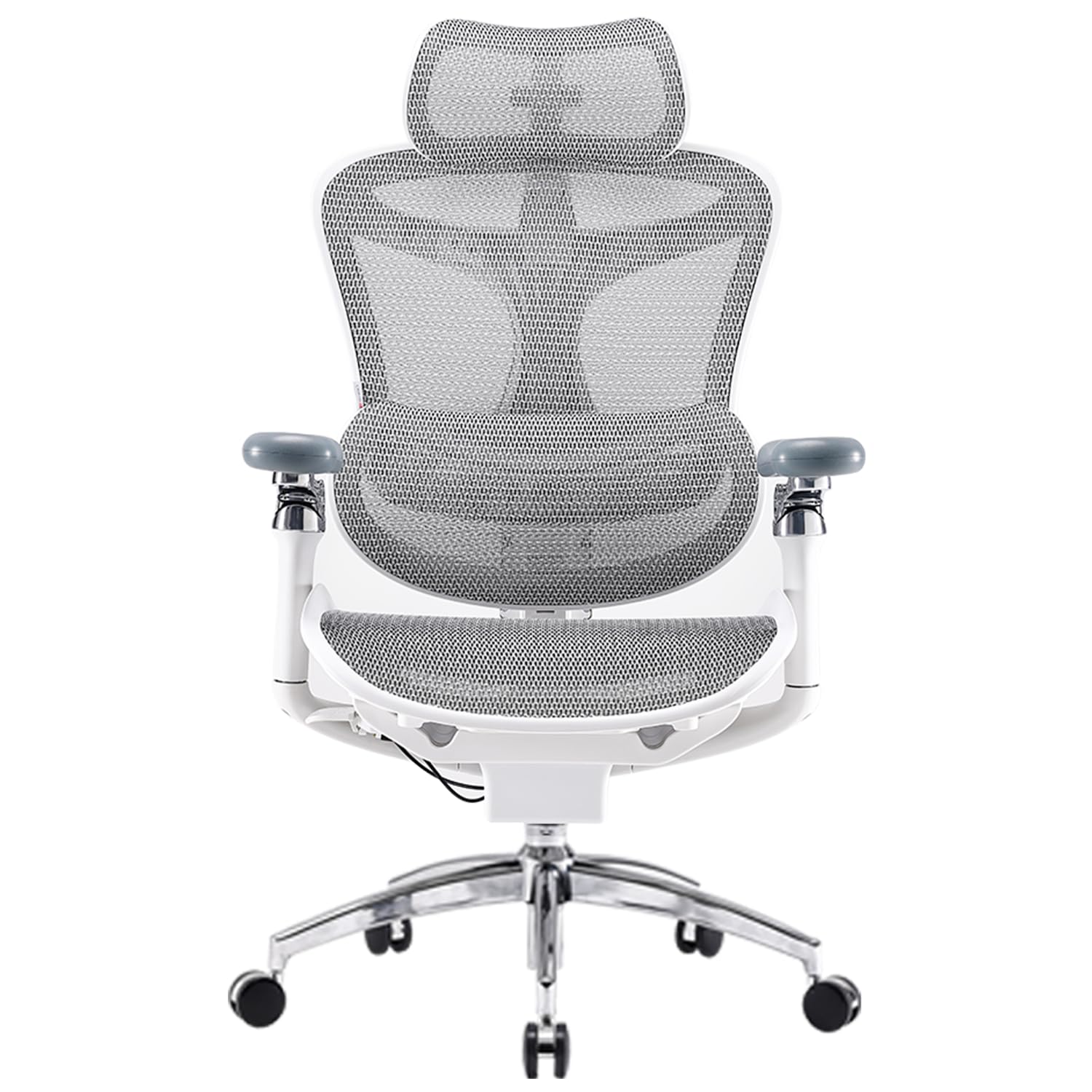
The SIHOO Doro C300 Pro is built around adaptable support, with a moving lumbar system, a flexible backrest, and armrests that coordinate with recline.
This sihoo doro c300 pro review looks at how those adjustments may suit long desk sessions and where buyers should check fit before choosing.
Doro C300 Pro Review Summary
The quick verdict
1,000+ ratings
Read Amazon ReviewsSIHOO Doro C300 Pro
A good fit for desk workers seeking adjustable lumbar support, a flexible backrest, and coordinated armrests, especially taller users who value seat-depth adjustment.
- Adaptive dynamic lumbar support moves with the sitter as posture changes.
- Soft 6D armrests adjust in five directions and coordinate with the backrest during recline.
- Seat-depth adjustment and a wider seat are intended to accommodate taller users.
- Recline positions are listed at 105°, 120°, and 135°.

Pros
- Moving lumbar support is designed to follow changes in sitting posture.
- The backrest, headrest, and seat depth can be adjusted to address several fit preferences.
Consider before buying
- The many adjustment points may take time to set up and evaluate for personal comfort.
- No specific user height or weight range is provided, so buyers should check whether the seat and backrest dimensions suit their body.
Read the full review summary
The C300 Pro brings several adjustments together: its lumbar support moves with the sitter, the backrest offers four positions and height adjustment, and seat depth can be changed.
The chair also has a wider cushion, breathable mesh, a 3D headrest, and soft 6D armrests designed to move with the backrest while reclining.
That combination makes it a considered option for people who spend much of the day at a desk and want to fine-tune support across their back, arms, and legs.
Taller users may particularly appreciate the seat-depth adjustment and wider seat, though individual comfort depends on body proportions and desk setup.
The buying factors
Doro C300 Pro Scorecard
Editorial scores reflect listed features and buyer fit; they are not laboratory measurements or customer ratings.
Adjustment range
Seat depth, backrest height and position, a 3D headrest, and 6D armrests offer several ways to tailor the chair.
Lower-back support
The adaptive lumbar mechanism is designed to move with the sitter rather than stay fixed in one position.
Recline flexibility
Three listed recline angles, up to 135°, support both upright work and more relaxed sitting.
Arm support
The soft armrests adjust in multiple directions and coordinate with the backrest during recline.
Fit for taller users
A wider seat and adjustable seat depth are useful design choices, though the description gives no specific height range.
Breathability
The fully breathable mesh construction is suited to buyers who prefer an airy chair surface.
Ownership support
The description includes a three-year warranty period for free product parts and names several certification standards.
Key Features and Specifications of Doro C300 Pro
- Adaptive dynamic lumbar support moves with the sitter as posture changes.
- Soft 6D armrests adjust in five directions and coordinate with the backrest during recline.
- Seat-depth adjustment and a wider seat are intended to accommodate taller users.
- Recline positions are listed at 105°, 120°, and 135°.
- The backrest has four adjustable positions and can move vertically by 2.36 inches.
- A 3D headrest and fully breathable mesh complete the chair’s adjustable support setup.
- The description lists REACH and EN1335 compliance, German TÜV certification, and US SGS BIFMA compliance; free product parts are covered during a three-year warranty period.
Pros and Cons of Doro C300 Pro
Pros
- Moving lumbar support is designed to follow changes in sitting posture.
- The backrest, headrest, and seat depth can be adjusted to address several fit preferences.
- Coordinated 6D armrests can maintain arm support as the chair reclines.
- Three recline positions give the chair distinct upright and relaxed settings.
- Breathable mesh and a wider seat suit buyers who prioritize airflow and room to sit.
Consider before buying
- The many adjustment points may take time to set up and evaluate for personal comfort.
- No specific user height or weight range is provided, so buyers should check whether the seat and backrest dimensions suit their body.
- The listed 135° maximum recline may not suit shoppers who want a deeper lounging position.
Who Should Buy Doro C300 Pro?
Good fit
Consider the Doro C300 Pro if you work at a desk for extended stretches and want a chair whose support can change with your posture.
Its moving lumbar support, adjustable backrest, seat-depth adjustment, and coordinated armrests address different contact points instead of relying on one fixed fit.
It is especially worth comparing if you are taller and often find standard seats too short.
Before buying, check the seat dimensions and the range of seat and backrest positions against your own height, desk, and preferred sitting posture; the description does not provide a precise fit range.
Who should skip it
Look elsewhere if your priority is a chair that reclines beyond 135° or serves primarily as a lounge seat. The C300 Pro’s listed recline settings are aimed at desk work and moderate relaxation.
It may be a poor match if you prefer a simpler chair with fewer adjustments or need a confirmed fit for a particular height or weight. Check those requirements against the seller’s current product details before deciding.
How the Doro C300 Pro’s Adjustments Work Together
Lumbar support that follows movement
The adaptive lumbar system is intended to move with you as you shift position.
That design may be useful if you alternate between upright work and leaning back, since the lower-back contact point is not described as a fixed pad. Personal comfort will still depend on how its position meets your back.
Backrest and seat fit
Four backrest positions and 2.36 inches of vertical movement let buyers change where the chair supports the upper body. Seat-depth adjustment adds another fit variable, particularly for people who need more thigh support.
Since no user height range or seat measurements are given here, compare the chair’s dimensions with your own proportions before purchase.
Armrests for work and recline
The 6D armrests adjust in five directions and are designed to coordinate with the backrest while reclining.
This can help keep arm support aligned as posture changes, though an individual setup will depend on desk height and how close you sit to the work surface.
Recline and everyday versatility
The three positions—105°, 120°, and 135°—provide a progression from upright sitting to a more relaxed lean. An intelligent weight-sensing device is described as adjusting to the user’s weight to make reclining easier and more balanced.
Buyers who prefer fine control over tilt resistance should confirm how the mechanism feels and operates for them.
Alternatives to Doro C300 Pro
Home Office Desk Chairs alternative
17,000+ ratings
Read Amazon ReviewsSIHOO B300 PRO
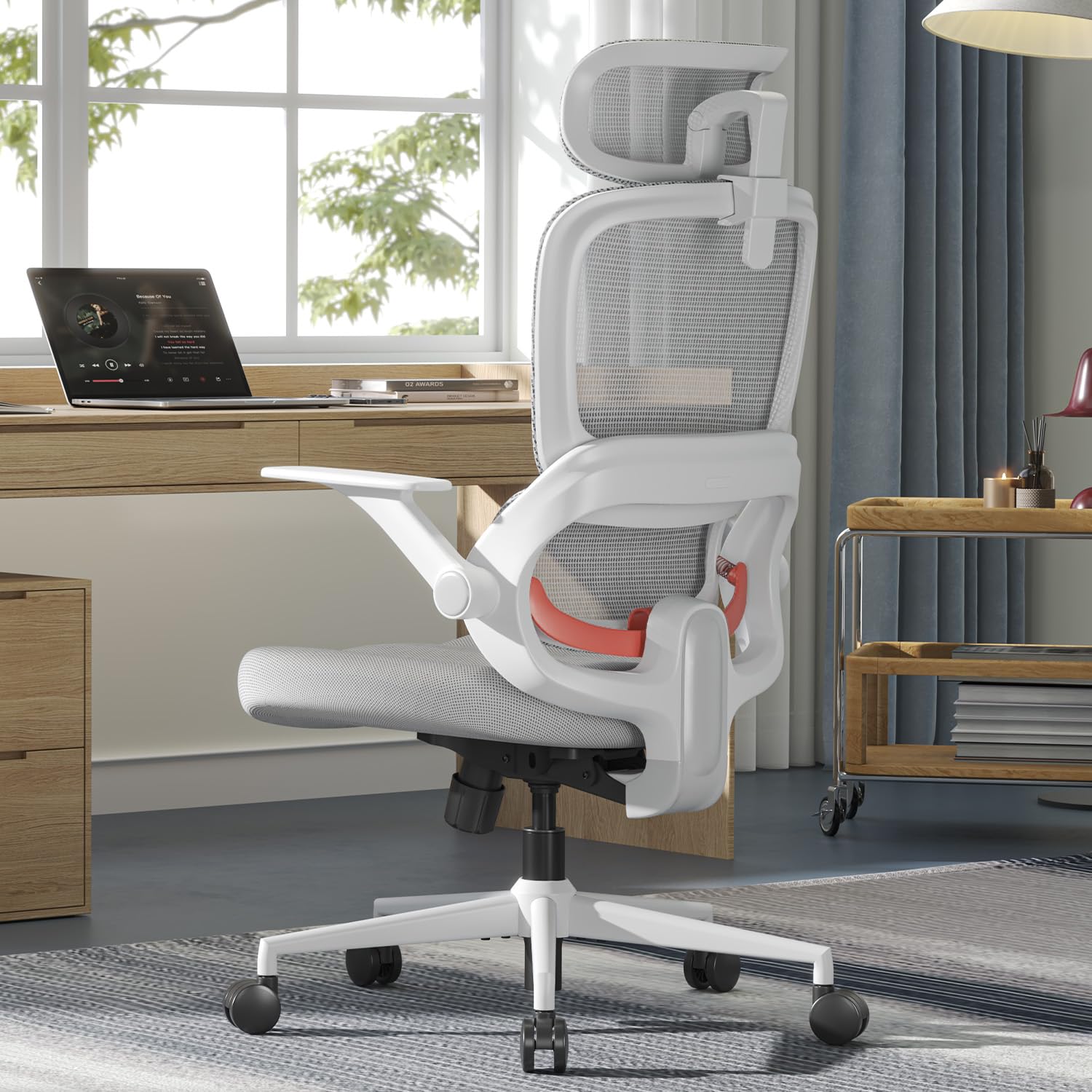
Compare the B300 PRO if independent lumbar height and forward adjustment are priorities. The C300 Pro may suit buyers who want its four-position backrest system; weigh both chairs by the adjustment details that best match your posture.
- The B300 PRO also lists adjustable seat depth, a height-adjustable backrest, weight-sensing recline, and 6D armrests, alongside a four-way lumbar system that adjusts in height and moves forward independently.
- The Doro C300 Pro combines moving lumbar support with a four-position, vertically adjustable backrest, seat-depth adjustment, and coordinated 6D armrests.
Home Office Desk Chairs alternative
100+ ratings
Read Amazon ReviewsSIHOO Doro S300
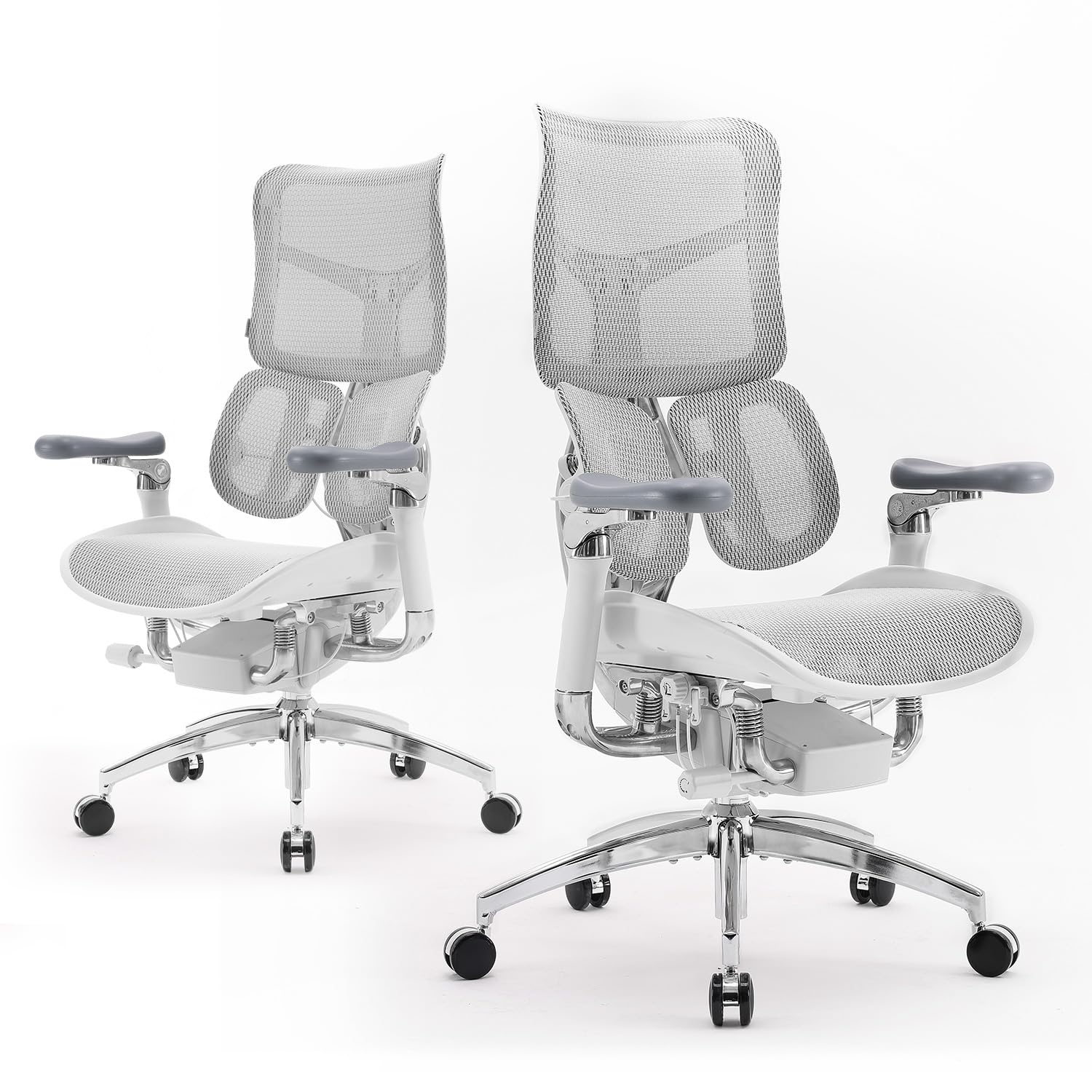
The Doro S300 may be worth comparing if fine-tuning recline tension and coordinated reclining support matter most.
The C300 Pro’s description provides more detail on seat-depth and vertical backrest adjustment, which may make it easier to assess for fit.
- The Doro S300 lists dual dynamic lumbar support, 6D coordinated armrests, a four-axis linkage, and an elastic tension adjustment system.
- The C300 Pro’s lumbar support is described as adaptive, and its three recline positions extend up to 135°.
Is Doro C300 Pro Worth It?
The SIHOO Doro C300 Pro is worth considering for desk workers who want substantial adjustability, particularly moving lumbar support, seat-depth control, and armrests that follow the backrest during recline.
Its design also gives taller users some useful fit options.
Before choosing it, confirm that the chair’s dimensions suit your body and workspace, and consider whether its 135° recline range matches how you use a chair.
If those checks align, the C300 Pro offers a well-rounded set of support adjustments for a work-focused home office.
Your review at a glance
1,000+ ratings
Read Amazon ReviewsSIHOO Doro C300 Pro
A good fit for desk workers seeking adjustable lumbar support, a flexible backrest, and coordinated armrests, especially taller users who value seat-depth adjustment.
- Adaptive dynamic lumbar support moves with the sitter as posture changes.
- Soft 6D armrests adjust in five directions and coordinate with the backrest during recline.
- Seat-depth adjustment and a wider seat are intended to accommodate taller users.
- Recline positions are listed at 105°, 120°, and 135°.