For a young science lover, a good gift can turn curiosity into something to build, observe, or solve together.
These six picks pair hands-on exploration with playful learning, with options suited to different ages and interests.
6 Gift Ideas for Young Science Lovers
Light-up Crystal Growing Kit

- Grow red, blue, and clear crystals, then display them on the light-up stand.
- The kit includes a 12-page guide about how crystals form.
- The USB-powered LED display comes with a Micro-USB cable.
Best Gift For: A budding chemist who enjoys watching crystals grow and displaying the results.

GeoSafari My First Microscope
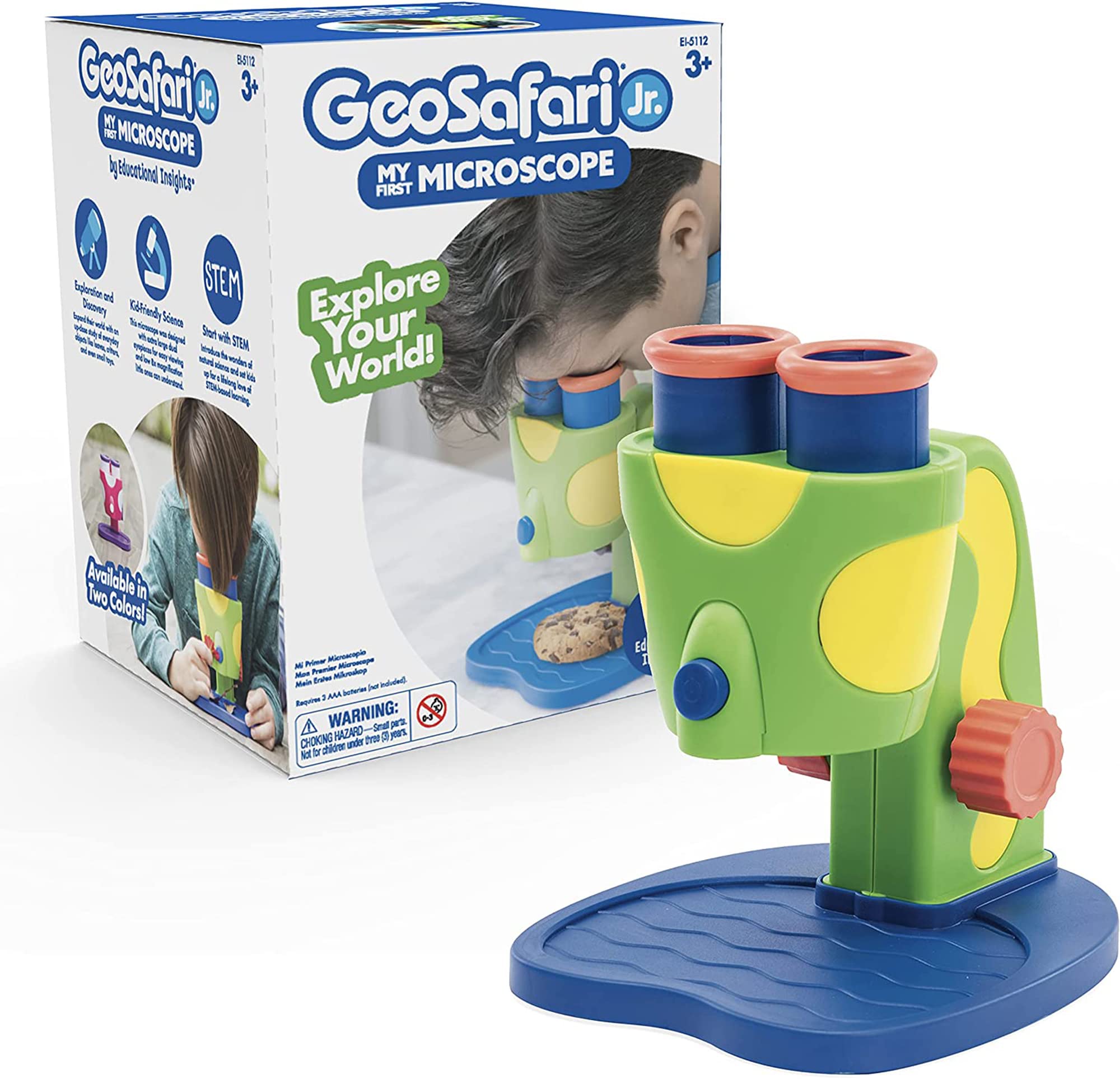
- The kit includes prepared microscope slides with storage.
- A kid-sized focusing knob and overhead LED light support hands-on exploring.
- Two large eyepieces let children look without closing one eye.
Best Gift For: A young explorer curious about looking closely at prepared specimens.
SmartMax My First Dinosaurs Magnetic Set
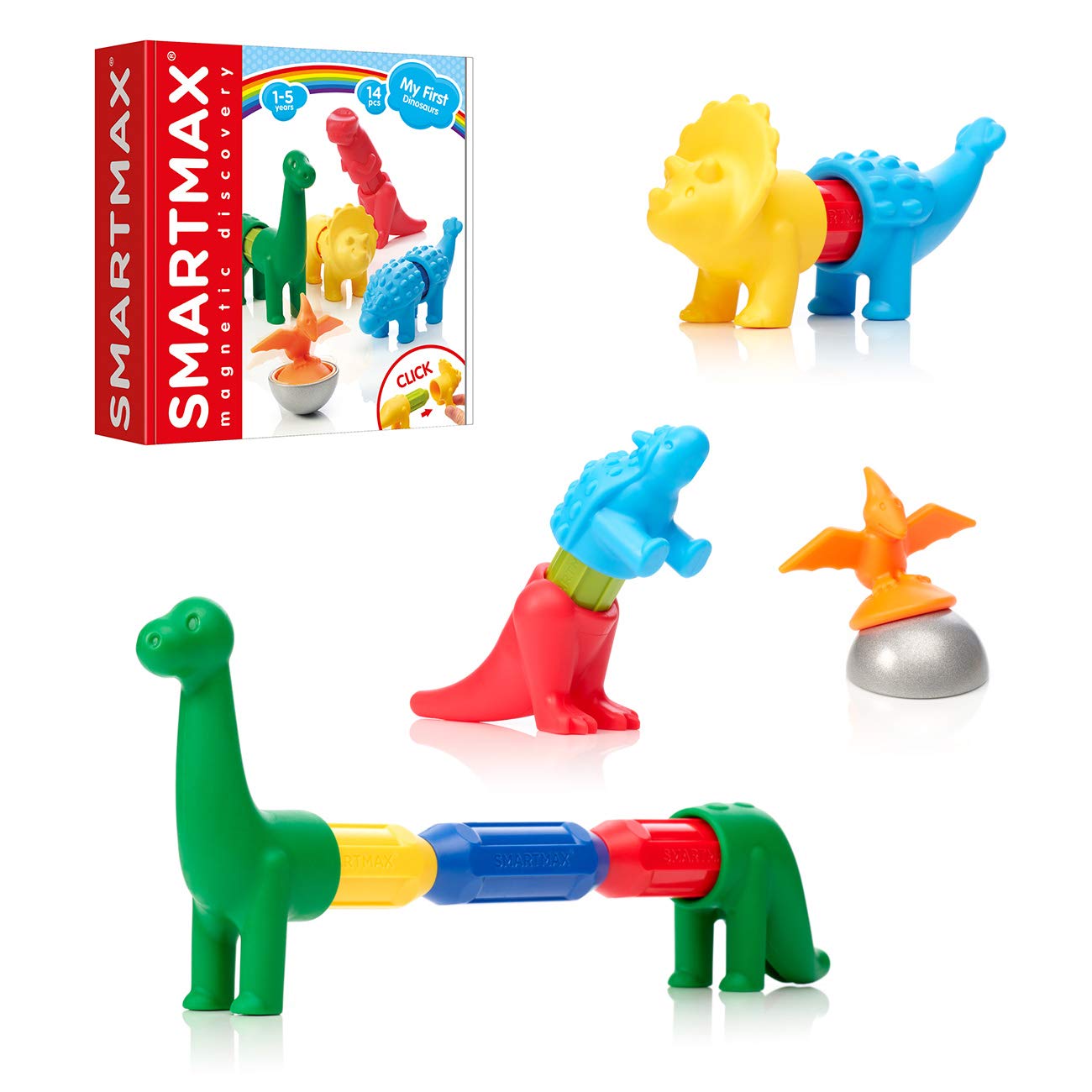
- Build dinosaur figures or mix and match pieces for other creations.
- The set contains colorful magnetic bars and soft dinosaur pieces.
- SmartMax sets can be combined to expand building play.
Best Gift For: A young dinosaur fan ready to explore building and early magnetism through play.
Learning Resources 1-2-3 Build It Robot Factory

- Children can build their own imaginative robot creations.
- Building encourages early engineering and critical thinking skills.
- The set works with other 1-2-3 Build It! sets.
Best Gift For: A toddler who likes making imaginative creations and practicing early building skills.
Minute Math Electronic Flash Card

- Practice addition, subtraction, multiplication, and division.
- One-minute challenges make practice feel like a game.
- A silent mode suits quiet practice in waiting rooms, cars, or classrooms.
Best Gift For: A student who wants short, portable math practice at home or while traveling.
Learning Resources Sum Swamp Game
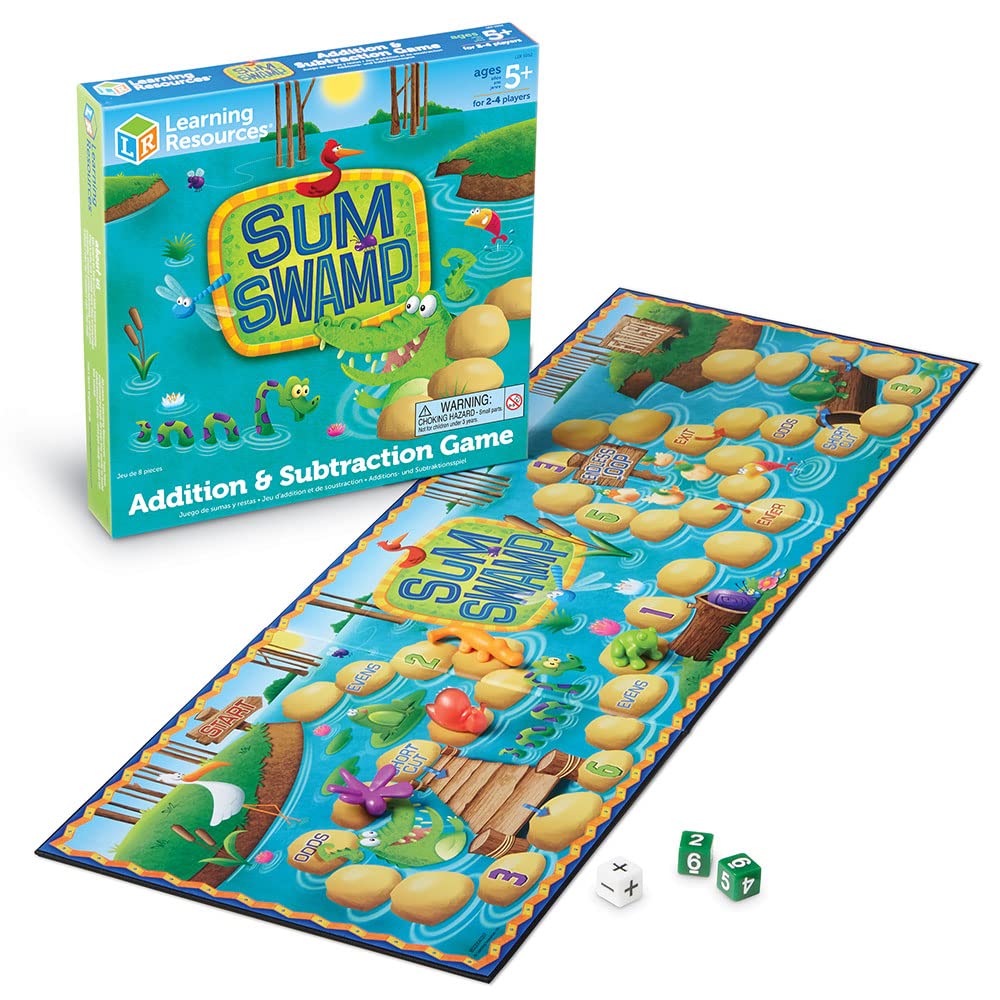
- The game practices addition and subtraction through play.
- It introduces even and odd numbers alongside other math skills.
- Fast-paced sessions offer a lively option for shared play.
Best Gift For: A young learner who would enjoy practicing early math with family or friends.
Choosing gifts for science lovers under 50
For gifts for science lovers under 50, start with the child’s age and the kind of curiosity they already show. A child who likes watching small changes unfold may enjoy a crystal-growing activity, while someone who is always asking what things look like up close may prefer a microscope.
Match the activity to their attention span and the adult support available.
Think about whether the recipient likes working alone, building alongside a sibling, or playing with family. A microscope or building kit can invite focused exploration, while a math game makes learning social.
If you are unsure, ask a parent which topics currently hold the child’s interest and how much setup they welcome.
Match the activity to the moment
Hands-on gifts work best when there is room to use them. A crystal project needs a place where it can sit as it grows; a microscope or robot-building set can suit a rainy afternoon at the kitchen table.
Consider the household’s space, storage habits, and willingness to keep small pieces together before choosing.
For a child who enjoys quick challenges, electronic math practice can fit into a short break or a trip. A board game offers a different rhythm, giving a family a reason to sit down together.
Check the recipient’s age and interests so the gift feels inviting rather than like extra schoolwork.
Make gifts for science lovers under 50 feel personal
To make gifts for science lovers under 50 feel personal, connect the activity to something the child already notices: colors, rocks, dinosaurs, machines, or number puzzles. Add a handwritten note with a simple invitation, such as choosing the first specimen to inspect or inventing a new robot design.
The prompt can make opening the gift feel like the start of an adventure.
Presentation can be simple and practical. Pair a building or game gift with a planned family play session, or set aside a clear spot for a longer experiment.
If the recipient is young, coordinate with their caregiver about supervision and where materials should be stored. A little thought about how the gift will be used often matters more than elaborate wrapping.
Balance budget and usefulness
For a thoughtful gift at a modest budget, look for an activity the child can return to rather than something that only decorates a shelf. Compare the scope of the play, what comes in the box, and whether a useful component is included.
Check current prices and any supplies or batteries needed before buying, since those details can affect the overall spend.
A lower-cost choice can still feel considered when it suits the recipient’s interests and age. If you are choosing between a solo activity and a group game, think about how the child usually spends time and who will be available to join in.
Avoid stretching the budget for a more elaborate option if a simpler activity is a better fit.
Plan ahead, even for a last-minute gift
When time is short, choose a gift that is easy for the family to understand and prepare. Read the current product details, check compatibility or included supplies where relevant, and confirm dimensions if storage space matters.
Before placing an order, review the delivery estimate for the recipient’s location rather than assuming it will arrive by a particular date.
If delivery timing is uncertain, make the gift feel complete with a printed note explaining the activity you picked and why it suits them. You might include a plan for a shared game or an afternoon of observing and building once it arrives.
That small gesture gives the child something to look forward to while keeping the focus on their curiosity.