Curiosity can start with a close look at a tiny detail, a growing crystal or a first magnetic build. These six ideas span different ages and ways of exploring science, with options for home learning and hands-on play.
Consider the recipient’s age, interests and how they like to learn. A gift that suits their curiosity is more likely to become part of an enjoyable routine.
6 Gift Ideas for Science Lovers Under 100
TOMLOV DM9B 7-Inch Digital Microscope, 1200X
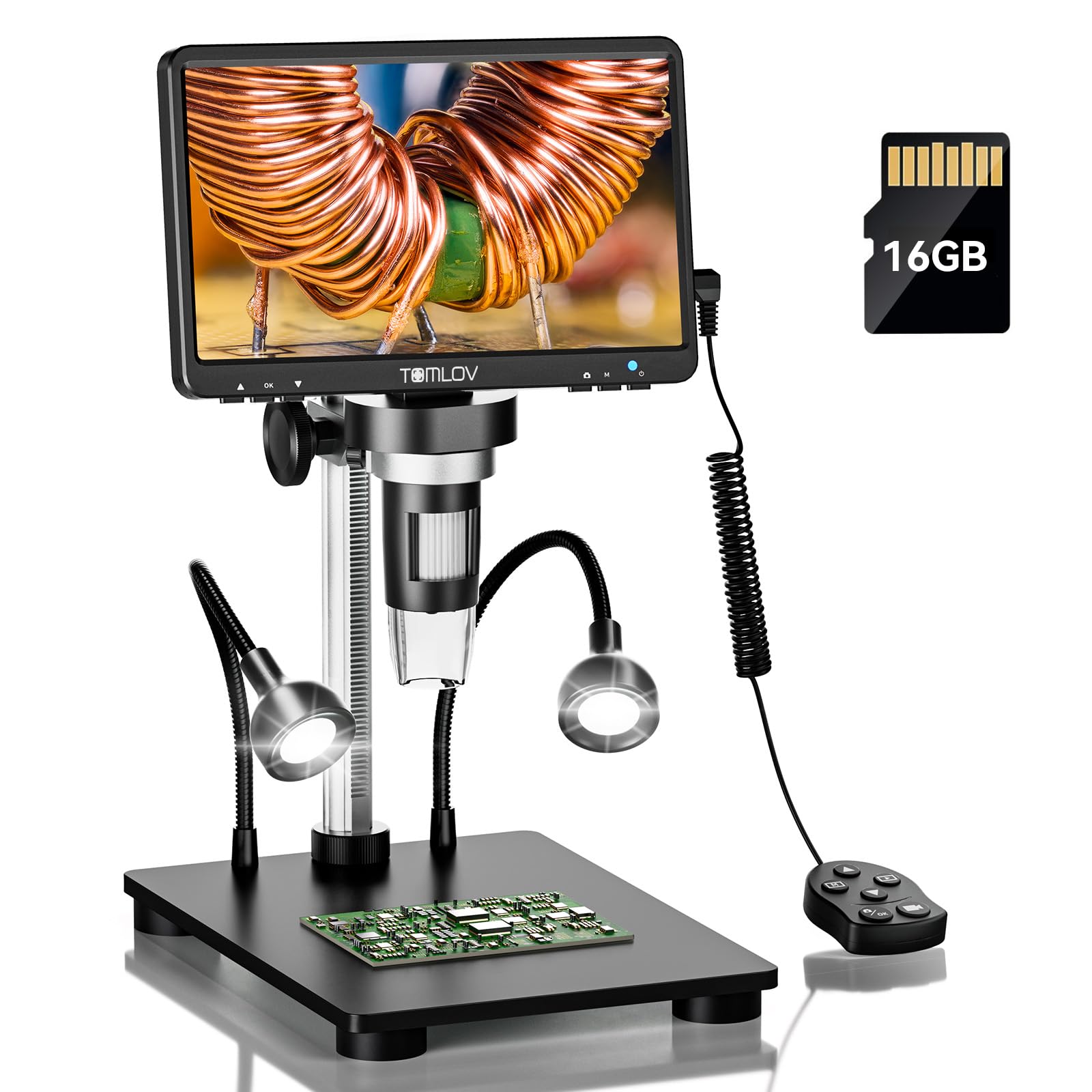
- Adjust the view across a 5X–1200X magnification range.
- Rotate the screen to find a comfortable viewing angle.
- Save photos and videos to the included Micro SD card.
Best Gift For: A coin collector, student or hands-on explorer who enjoys examining small details.

Light-Up Crystal Growing Kit for Kids

- Grow red, blue and clear crystals and display them with light.
- Follow an illustrated guide to learn how crystals form.
- The kit includes three growing cups and crystal powder bags.
Best Gift For: A child who enjoys guided experiments and displaying what they make.
Memoking T02 Portable Sticker Printer, 6 Rolls
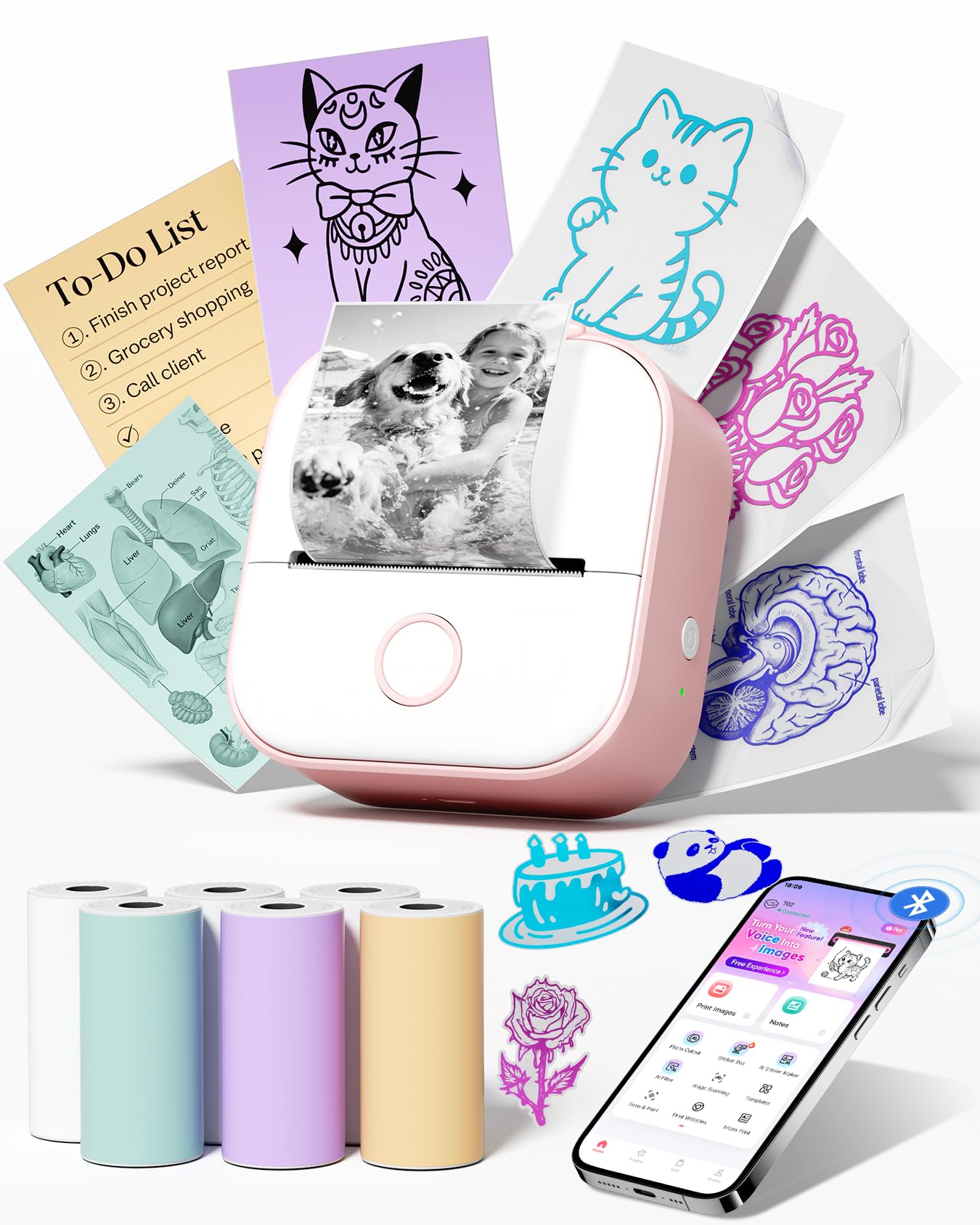
- Connect through the Phomemo app using Bluetooth on iOS or Android devices.
- Print study graphics, anatomy flashcards and graphic diagrams for schoolwork.
- The box includes six rolls of thermal paper.
Best Gift For: A student who likes making study notes, labels or personalized journal pages.
Learning Resources 1-2-3 Build It Robot Factory

- Build imaginative robot creations from the pieces.
- The activity supports early engineering and critical thinking.
- The pieces are designed for little hands to handle.
Best Gift For: A young child ready to practice building and early engineering skills through play.
SmartMax My First Dinosaurs Magnetic Building Set
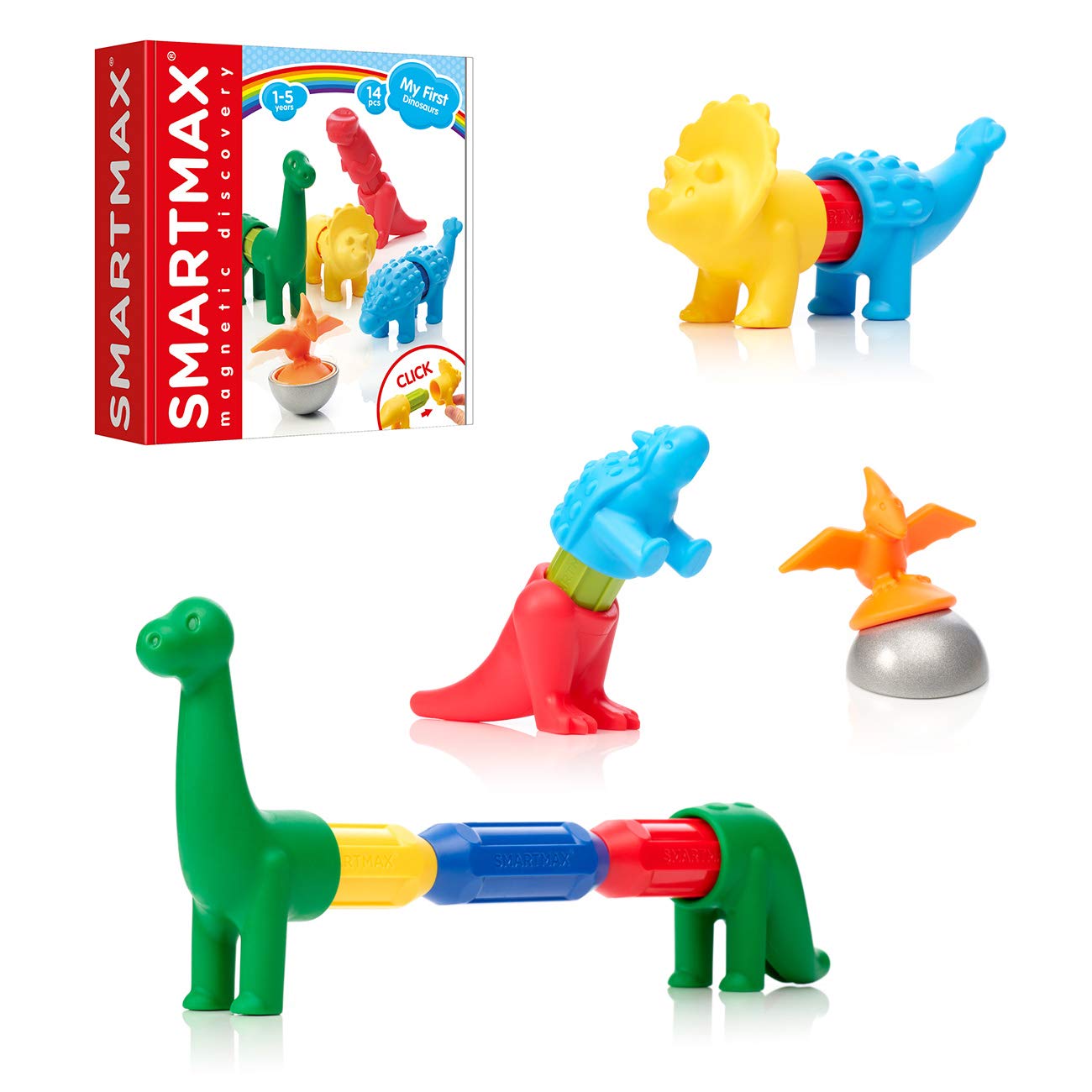
- Build dinosaurs or mix and match pieces into new creations.
- Magnetic pieces introduce early magnetism and problem-solving.
- The set includes colorful pieces sized for little hands.
Best Gift For: A young dinosaur fan exploring early building, magnetism and imaginative play.
Learning Resources Minute Math Electronic Flash Card

- Practice addition, subtraction, multiplication and division.
- One-minute challenges make practice feel like a timed game.
- Switch to silent mode for quieter practice.
Best Gift For: A learner who benefits from short, interactive math practice at home or school.
1. Start with the curiosity behind gifts for science lovers under 100
When choosing gifts for science lovers under 100, start with what the recipient already likes to investigate. A child captivated by nature may enjoy a guided growing project, while a young builder may be more drawn to making robots or connecting magnetic pieces.
For an older student or hobbyist, consider whether they prefer looking closely at objects, making visual study aids or practicing a skill. The best match is the one that invites them to return to an interest they already have.
Age and supervision matter for children’s activities. Check the recommended age range and instructions before buying, and think about whether an adult will need to help set things up or guide the experiment.
2. Match the gift to how they like to learn
Some science gifts encourage open-ended play; others provide a more structured activity. Building toys let children try combinations and solve small problems, while a crystal project follows a sequence and ends with something to display.
For a student, a useful gift can support a routine they already have. Think about whether they study at a desk, make handwritten notes or want extra practice with a subject.
A small tool that fits into an existing habit may see more use than a larger activity they must schedule.
For a collector or curious observer, prioritize the kinds of details they enjoy exploring. Ask yourself whether the gift complements their interest, and consider the space available for using and storing it.
3. Keep the gifts for science lovers under 100 budget useful
For gifts for science lovers under 100, spend according to how often and how independently the recipient is likely to use the item. A focused activity can be a satisfying choice for a child, while an older student may value a tool they can revisit for projects or study.
Think about what the recipient already owns before choosing a gift. A compatible accessory or a fresh activity can make a familiar interest more engaging, but check any device, app or paper requirements against what they use at home.
Compare current prices and confirm the total cost before ordering. Some projects may benefit from extra materials or adult help, so account for those practical considerations while deciding what fits your budget.
4. Make the presentation personal
A short handwritten note can connect a science gift to the recipient’s curiosity: mention a favorite topic, a question they once asked or something you hope they will explore. This small detail makes an educational present feel chosen for them.
For a child, you might pair the gift with time to begin the activity together. For an older student, a notebook or a card with a thoughtful message can turn a practical choice into a more personal occasion.
Keep packaging simple and easy to open, especially if the gift includes several pieces or instructions. A clear space to set everything out can make the first session feel inviting and help the recipient keep track of the components.
5. Leave time for a considered last-minute choice
If you are shopping close to the occasion, choose a gift with a clear connection to the recipient’s age and interests. Before checkout, check current product details, compatibility and dimensions, and review delivery estimates for your address.
A familiar subject is a helpful guide when there is little time to ask questions. Choose an activity that builds on something they already enjoy, and avoid guessing about devices, space or supplies that the recipient may not have.
If delivery timing is uncertain, a personal card can explain the gift and give you a way to celebrate on the day. Keep the note specific to their interests, then share the product or activity when it arrives.