Learning can happen during a quiet reading break, a family game night, or a hands-on project at home. A useful gift gives curiosity room to grow in a way that suits the recipient.
These 13 gift ideas range from everyday study tools to playful ways to explore science, building, and money concepts. Consider the learner’s age, interests, and where they like to spend time.
13 Gift Ideas for Curious Learners
Glocusent Rechargeable Neck Reading Light

- Choose from three color temperature modes and adjustable brightness.
- The adjustable arms let the reader set a comfortable angle.
- Rechargeable by USB Type-C, with up to 80 hours for general reading on a single head.
Best Gift For: Readers who like hands-free light for books or detailed hobbies.

Cross Edge Sonic Titanium Gel Ink Pen
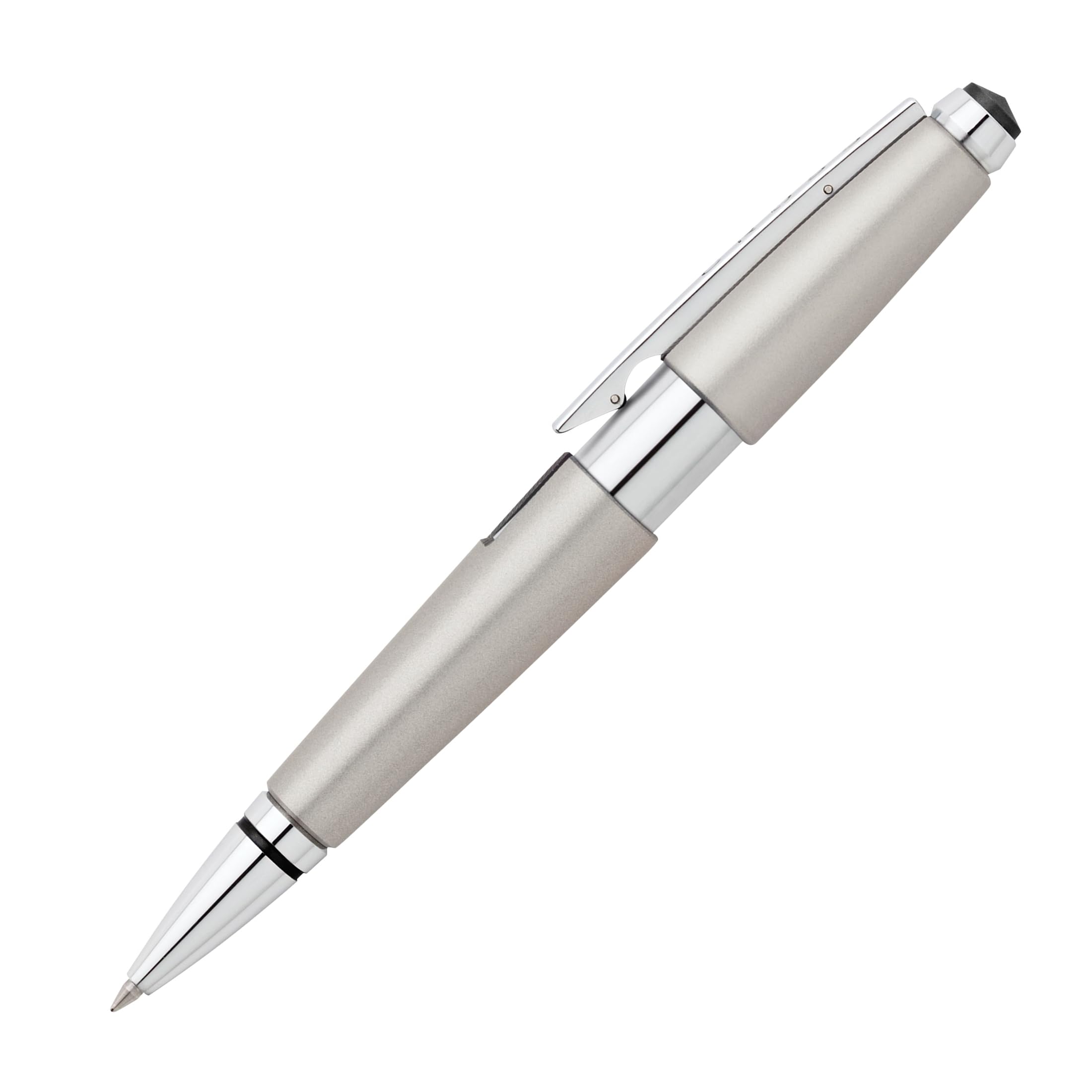
- The metal and resin body has a wide girth.
- A slide-open, snap-shut design makes it capless.
- The comfortable grip suits extended writing sessions.
Best Gift For: Journal writers, graduates, or someone who enjoys a considered desk accessory.
Hydracy 2L Motivational Water Bottle
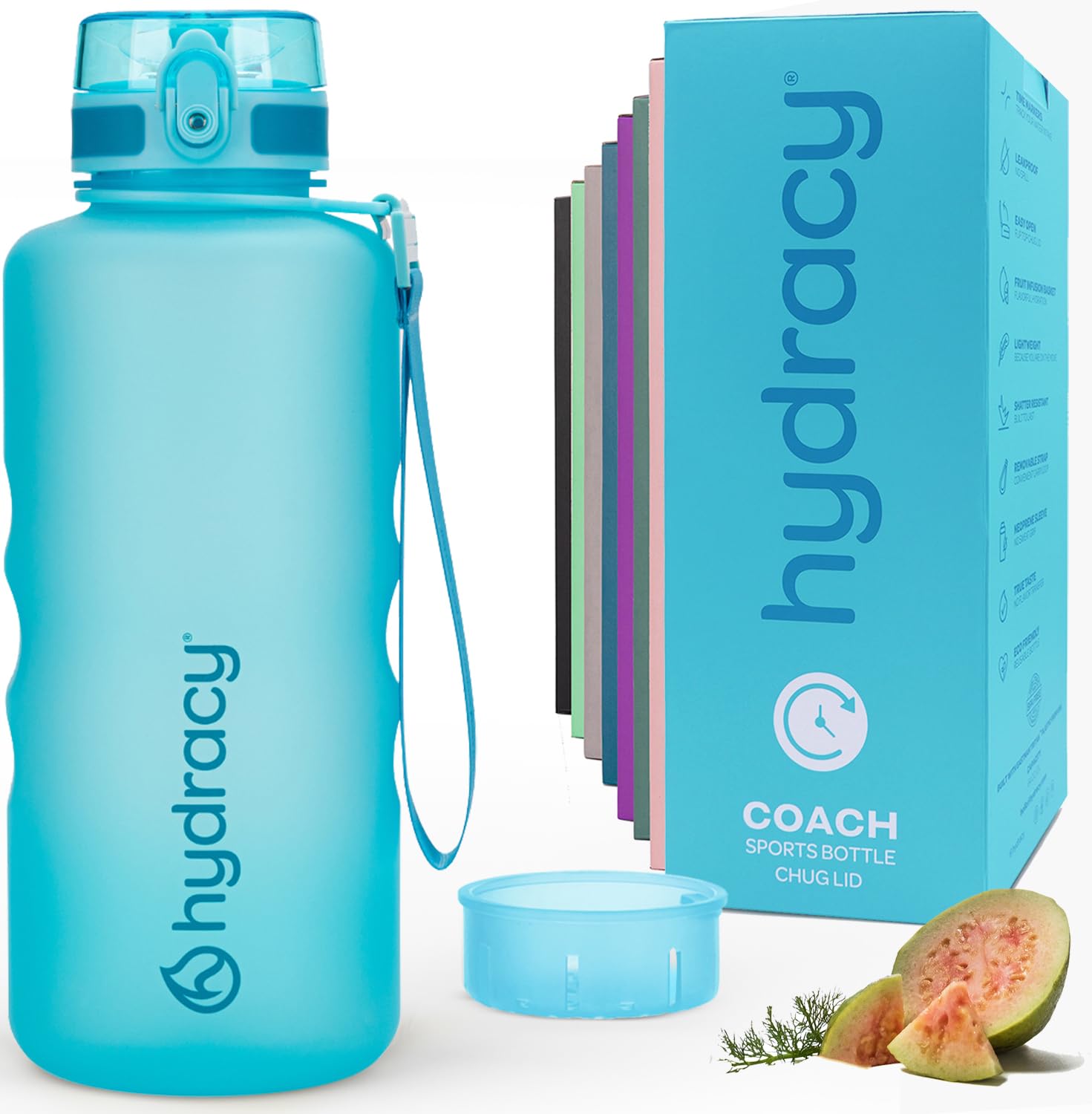
- A timeline marker offers a visual reminder to sip throughout the day.
- The bottle is made from BPA-free Tritan plastic.
- A detachable carry strap and flip-top lid are part of the design.
Best Gift For: Learners who want a reusable bottle alongside a long day of classes or study.
Phomemo M02 Pro Mini Sticker Printer
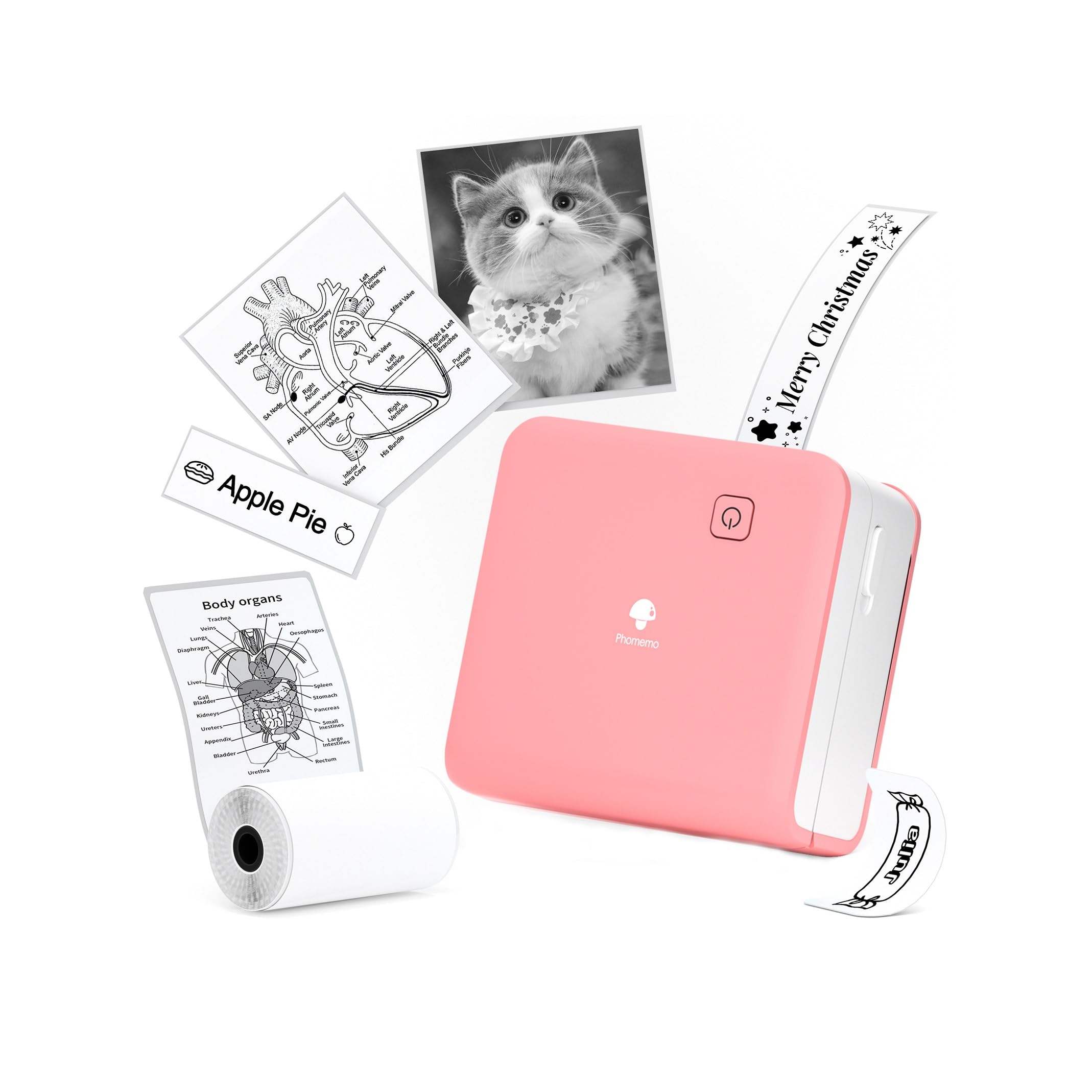
- Thermal printing creates text, patterns, and photos without ink, toner, or ribbons.
- It works with three sizes of thermal labels and paper rolls.
- The printer connects to a smartphone through Bluetooth.
Best Gift For: Students, teachers, or organizers who enjoy making labels and personalized study notes.
Rich Dad CASHFLOW Educational Board Game
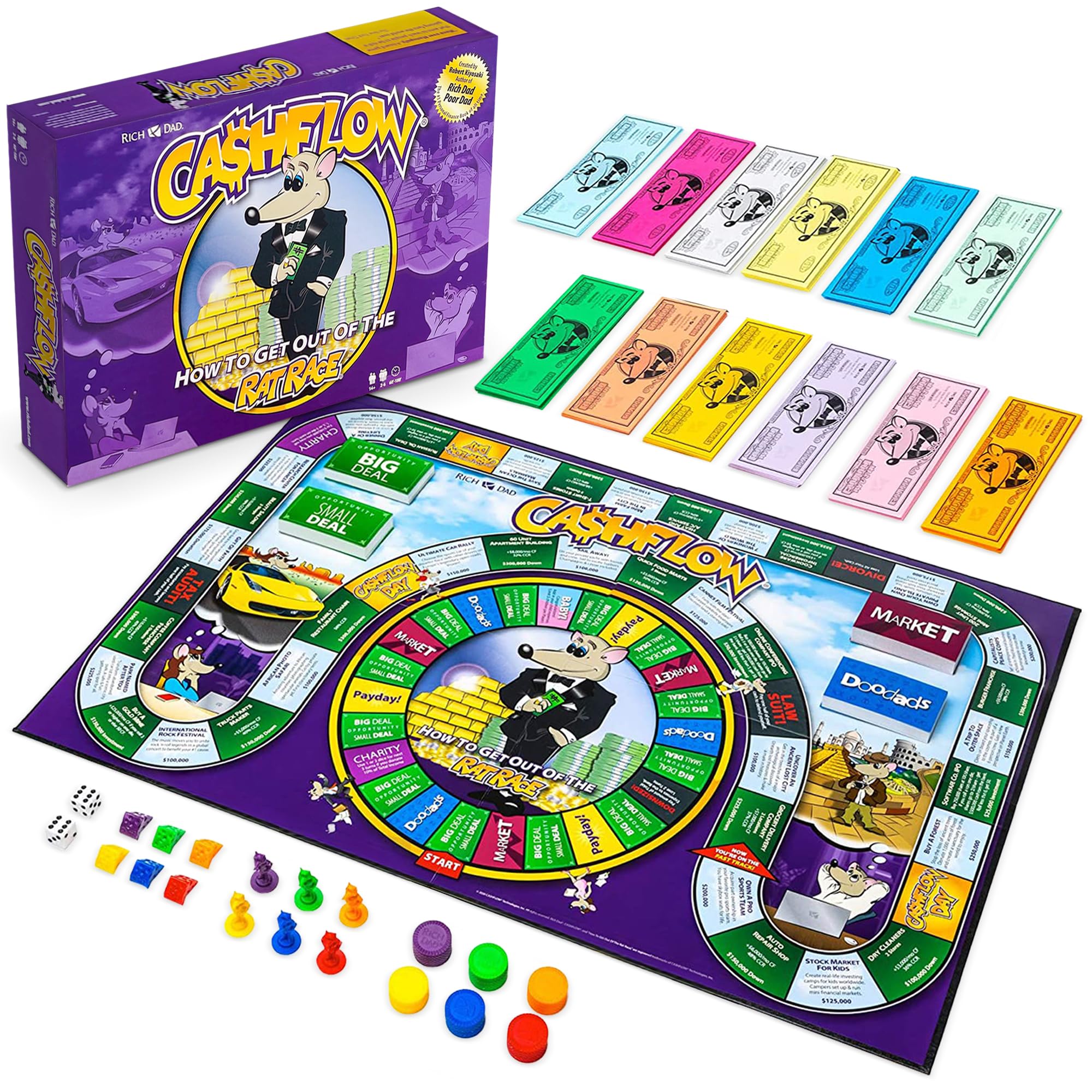
- The game explores stocks and money saving through play.
- It covers investing and business building in a family game setting.
- The game is recommended for ages 14 and up.
Best Gift For: Families and teens who want a shared activity centered on money and investing concepts.
Clever Fox Planner PRO Light Weekly Planner

- The planner helps map goals into monthly, weekly, and daily plans.
- Its undated layout can be started at any time of year.
- A quick-start guide and planning stickers are included.
Best Gift For: Students or lifelong learners who like turning goals into a regular schedule.
TOMLOV DM9B 7-Inch Digital Microscope
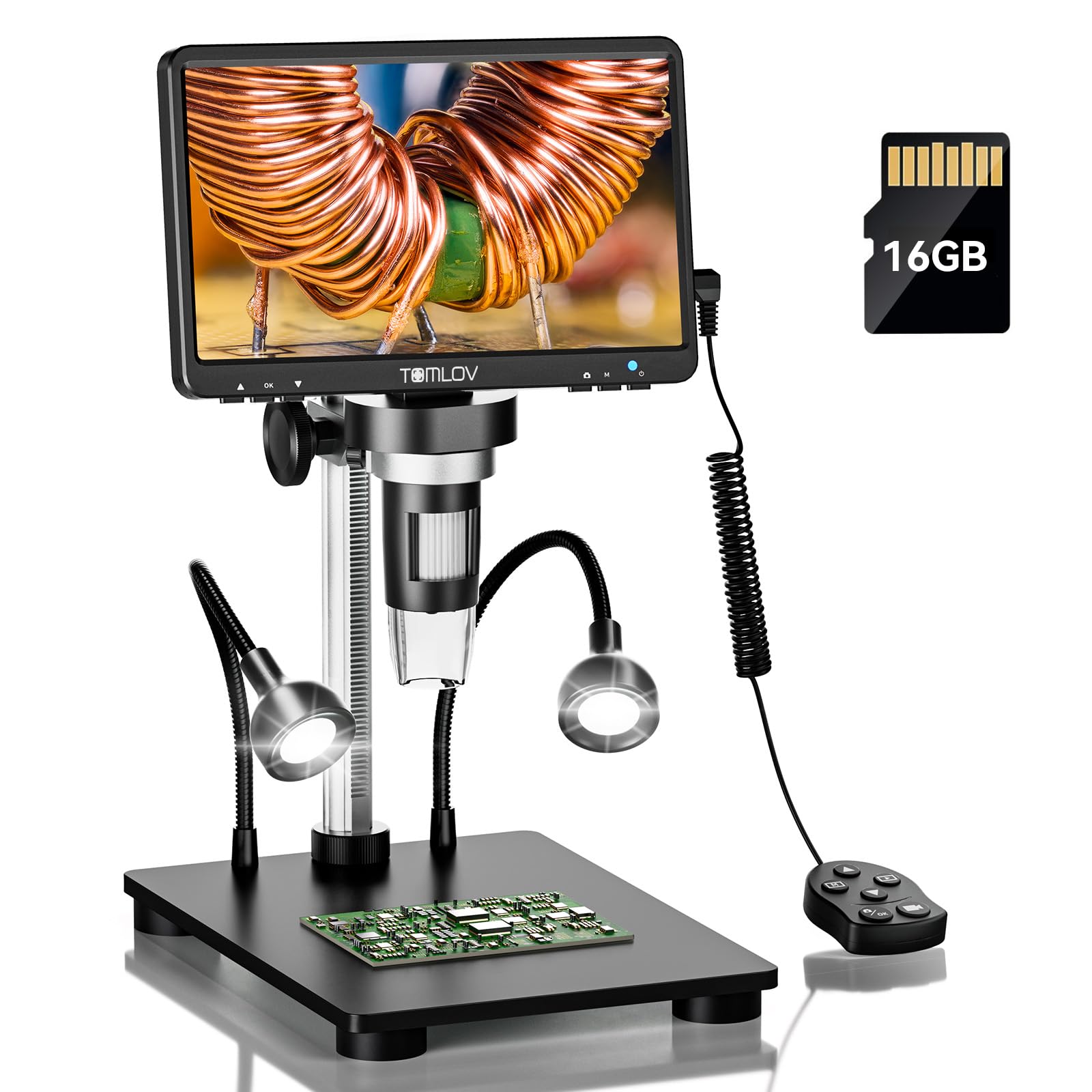
- A rotatable screen supports a more flexible viewing position.
- The microscope offers a 5X–1200X magnification range.
- A Micro SD card is included for storing photos and videos.
Best Gift For: Adult learners, students, or collectors interested in examining small objects closely.
SKYDUE Rotating Desk Organizer with 5 Slots
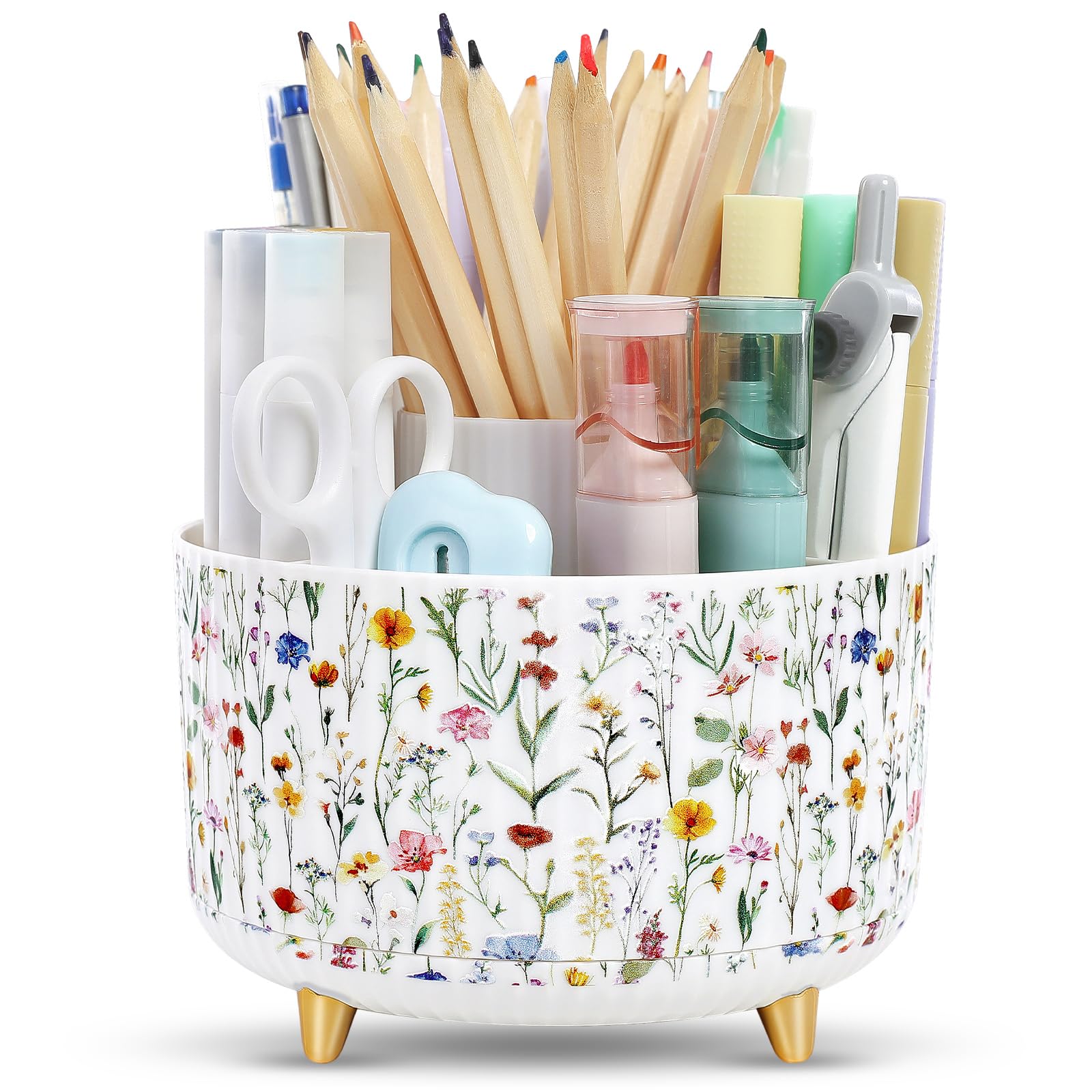
- Five compartments provide storage while limiting desktop footprint.
- A rotating holder makes writing tools easier to reach.
- It can hold everyday office or art supplies.
Best Gift For: Students or desk-based learners who want frequently used writing tools within reach.
Whitelines Graph Notebooks, 3-Pack

- The set includes three spiral notebooks with graph paper.
- The app removes the page background from captured writing or drawings.
- The pages use light gray tinted paper.
Best Gift For: Students and note-takers who like writing by hand and keeping digital copies of notes or drawings.
Learning Resources 1-2-3 Build It Robot Factory

- Children can make their own imaginative robot creations.
- Building encourages early engineering and critical thinking skills.
- The set is intended for ages 2 and up.
Best Gift For: Young children ready for a hands-on building activity with a learning angle.
Learning Resources Minute Math Electronic Flash Card

- Practice covers addition, subtraction, multiplication, and division.
- Timed challenges make practice into a short game.
- A silent mode suits quiet practice settings.
Best Gift For: Children practicing basic operations at home or in a classroom setting.
SmartMax My First Dinosaurs Magnetic Building Set
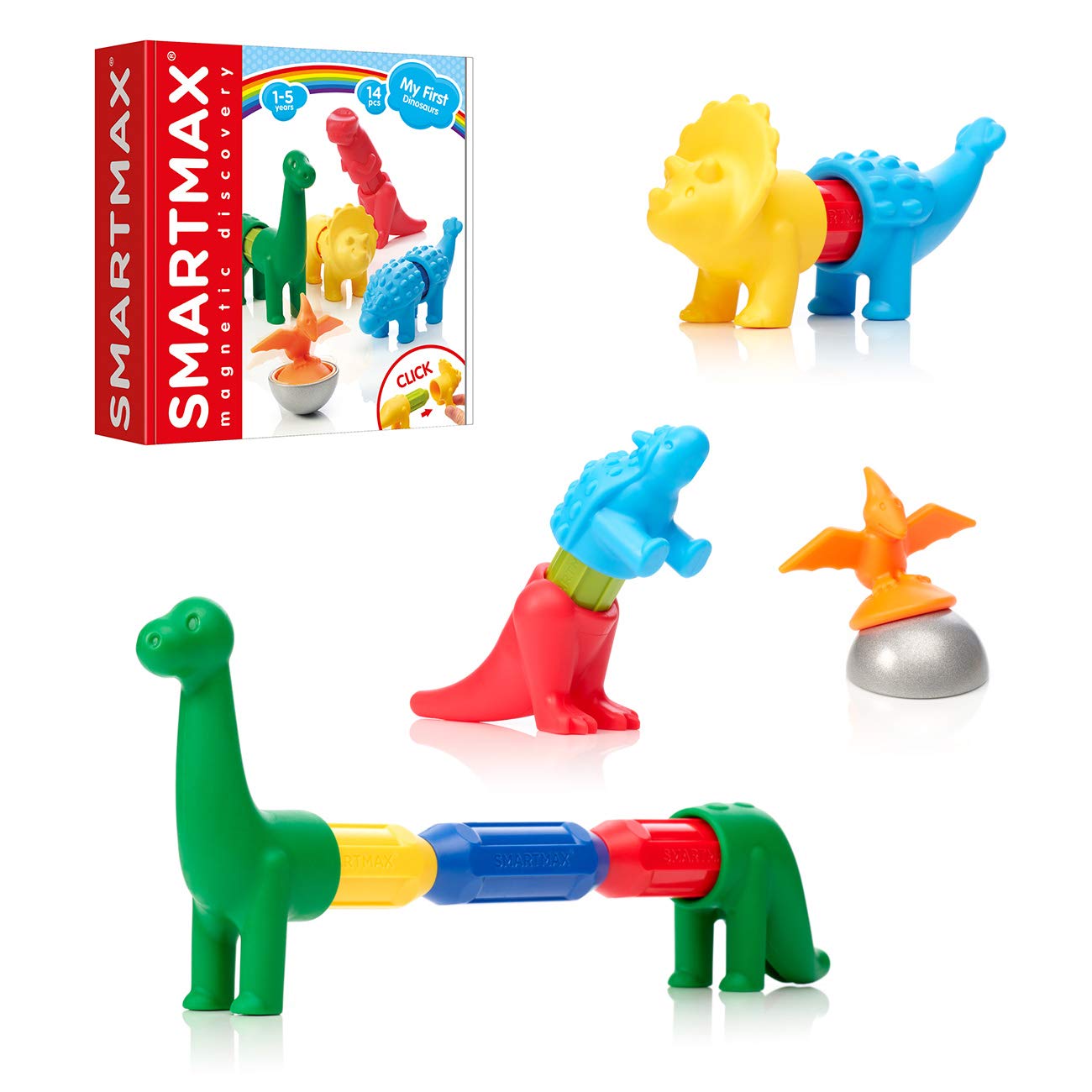
- The set lets children build several dinosaur figures or create their own combinations.
- Connecting pieces introduces early magnetism and problem-solving.
- SmartMax sets can be combined with one another.
Best Gift For: Young dinosaur fans who enjoy building and experimenting with magnetic pieces.
Light-Up Crystal Growing Kit for Kids

- The activity involves mixing ingredients and watching crystals grow over time.
- An LED display lights the finished crystals.
- The kit includes a guide about how crystals form.
Best Gift For: Young science enthusiasts who enjoy following a project and seeing the result grow over time.
1. Match gifts for people who love learning to how they explore
When choosing gifts for people who love learning, start with the recipient’s preferred way to explore. A reader who likes quiet time may enjoy a small reading companion, while someone who learns by doing may be more excited by an experiment, building activity, or close-up observation.
Think about what already holds their attention.
Age and setting matter as much as topic. A young child may want pieces that are easy to handle and an activity they can share with an adult; a teenager or adult may appreciate a game that gives a family conversation a clear focus.
For students, consider whether the gift will be useful in a dorm, classroom, or at home.
If you are unsure of a subject, choose a flexible study aid or creative tool that leaves room for the recipient to decide what to make or explore. A notebook, organizer, or planning tool can support different interests without requiring you to guess which topic they will study next.
2. Balance the budget with everyday usefulness
Set a comfortable spending range before comparing gifts. Smaller practical items can feel generous when they solve a familiar study routine, while a larger activity or piece of equipment makes more sense when you know the recipient will return to it.
Let interest and likely use guide the decision, rather than choosing by size alone.
Consider what else may be needed to enjoy the gift. A hands-on activity may invite shared time with a parent or sibling; a desk item needs a suitable place to live; and a connected device may require checking phone or computer compatibility.
These details help you judge the full gift without assuming accessories or supplies are included.
Check actual prices and current product details before ordering, since availability and costs can change. If you are choosing between options, compare the recipient’s likely use and any setup needs.
A gift that fits their routine can be a better match than one that simply appears more elaborate.
3. Personalize gifts for people who love learning
For gifts for people who love learning, a short personal note can connect the present to something the recipient already wonders about. Mention the book they carry around, the questions they ask, or the project they have been talking about.
That small detail makes even a practical choice feel intentional.
Presentation can match the activity. Wrap a creative tool with a blank card inviting the recipient to make something, or pair a family game with a note proposing a relaxed evening together.
For a young learner, a simple envelope with a few prompts—what they notice, what surprises them, what they want to try next—can make the gift feel like an invitation rather than an assignment.
Keep the message warm and low-pressure. Learning gifts work best when they offer a new possibility without suggesting the recipient needs to improve or perform.
If you are giving to a student during a busy term, emphasize a break, a curiosity, or a shared moment rather than grades or productivity.
4. Choose a gift that fits the moment
For birthdays and holidays, think about whether the present is for solo discovery or shared time. A learner who likes independent projects may welcome something to explore at their own pace, while a family activity can help relatives with different ages take part together.
The best fit is the one that suits how they actually spend free time.
For a graduation, new semester, or move, compact everyday tools may be easier to use than a large activity that needs extra storage. If the recipient is moving into a dorm or shared space, consider desk room and noise.
For a child’s gift, check age suitability and whether an adult will need to help with setup.
Ask a family member or friend about current interests when you can. A quick check can reveal that the child is fascinated by dinosaurs, the student is trying a new study routine, or the adult has taken up collecting.
That clue makes the gift feel considered without requiring a long shopping search.
5. Make a last-minute choice thoughtfully
When time is short, choose a gift with a clear use and minimal setup for the recipient. A notebook or planning tool is easy to understand at a glance; a more involved activity may be a lovely option when you can verify what is included and whether the recipient has the time and space to enjoy it.
Before placing an order, check current product details, compatibility, dimensions, and delivery estimates. Read the recipient’s needs carefully: a device may depend on a phone or computer, and an activity may have an age range.
Those quick checks reduce the chance that a well-meant gift becomes an errand for the recipient.
If delivery timing is uncertain, give a small handwritten card with the gift idea and a personal reason you chose it. You can also arrange a shared date for a game or project.
The thought and attention behind the gesture still come through, even when the package arrives later.