A gift for someone who loves learning can make a daily study routine more engaging, give a curious mind a new project, or make room for ideas to take shape.
These 14 picks span practical desk companions and hands-on discoveries, with options for different ages and learning styles.
14 Gift Ideas for Curious Learners
Glocusent Rechargeable Neck Reading Light

- Choose from three color temperature modes and three brightness levels on each light head.
- Adjustable arms let the wearer set a comfortable angle.
- Rechargeable by USB Type-C, with up to 80 hours for general reading with a single head.
Best Gift For: A reader who likes hands-free light while reading in bed.

Cross Edge Blue Gel Ink Rollerball Pen
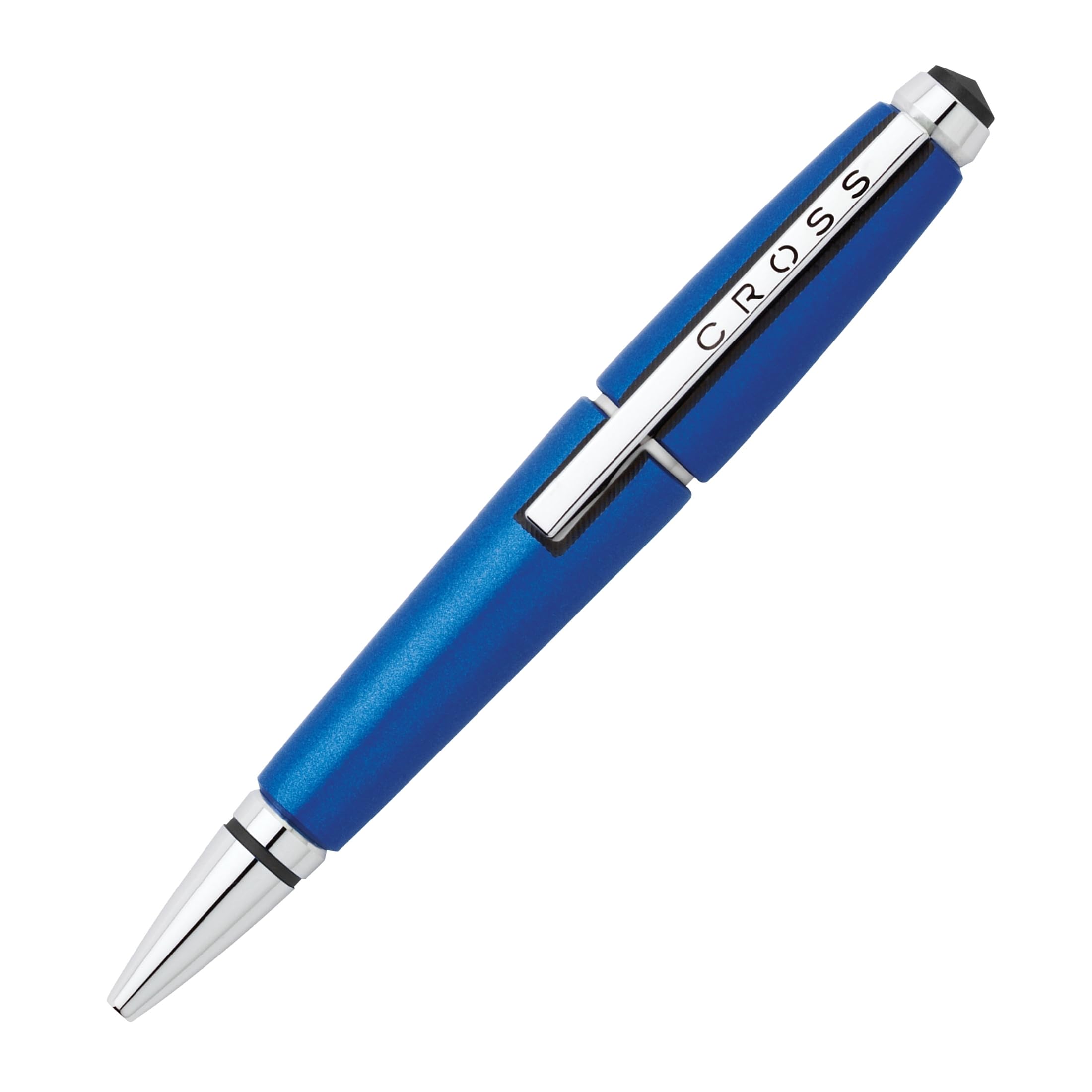
- The metal and resin body has a wide girth and modern design.
- A capless slide-open and snap-shut design is made for everyday use.
- The comfortable grip suits journaling and extended writing.
Best Gift For: Someone who enjoys journaling or wants a distinctive pen for everyday writing.
Hydracy 2L Motivational Water Bottle
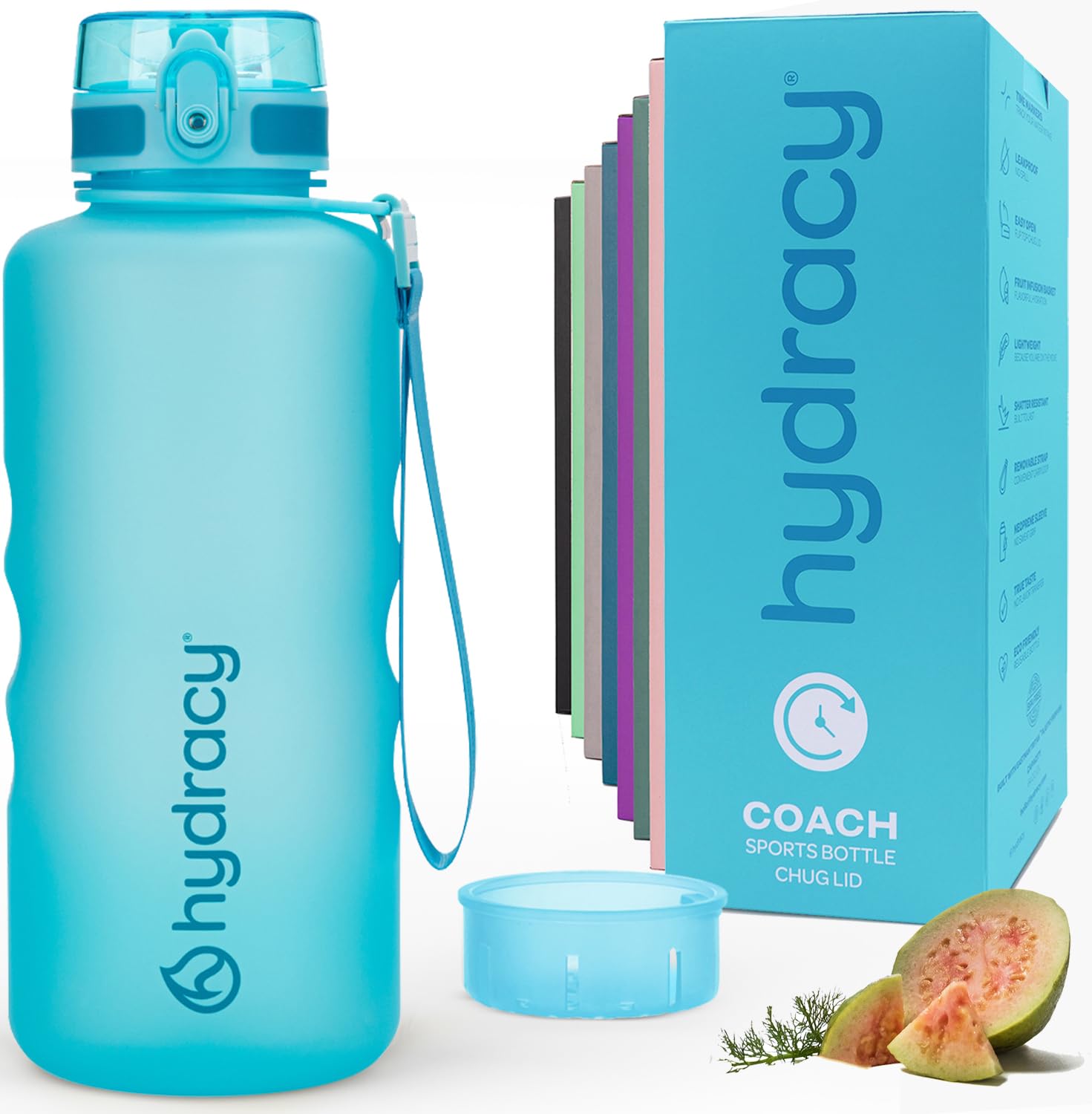
- A timeline on the bottle offers prompts for when to take a sip.
- The bottle is made from BPA-free Tritan plastic.
- A flip-top lid, carry strap, wide mouth, and fruit infusion strainer add everyday convenience.
Best Gift For: A student or active learner who wants a reminder to drink throughout the day.
Memoking T02 Sticker Printer with 6 Rolls
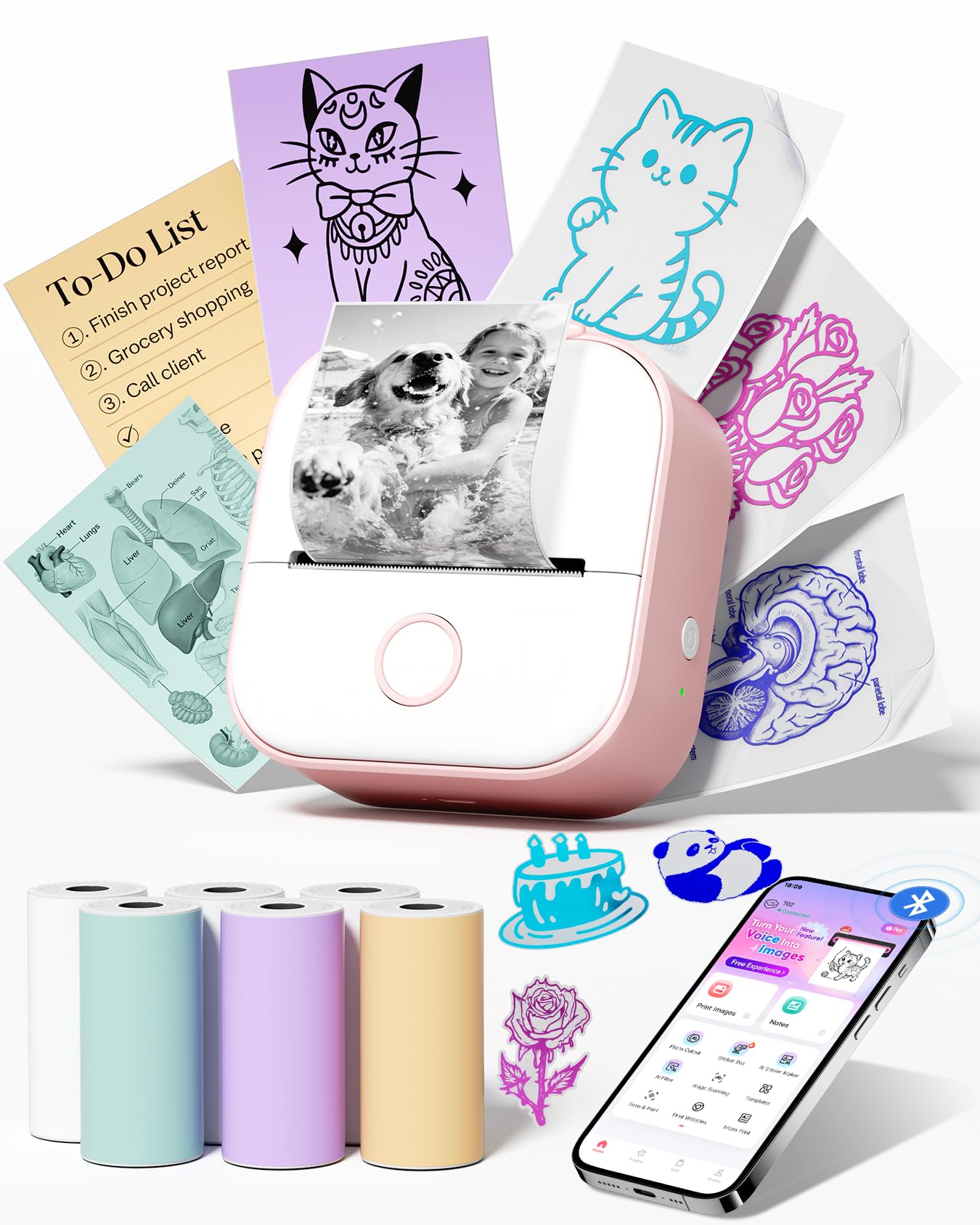
- The printer connects wirelessly through the Phomemo app on iOS and Android devices.
- It comes with six rolls of thermal paper.
- The pocket-size printer can print study graphics, labels, and photos.
Best Gift For: A student or teacher who likes making study notes, flashcards, or personalized labels.
Clever Fox Large Undated Weekly Planner
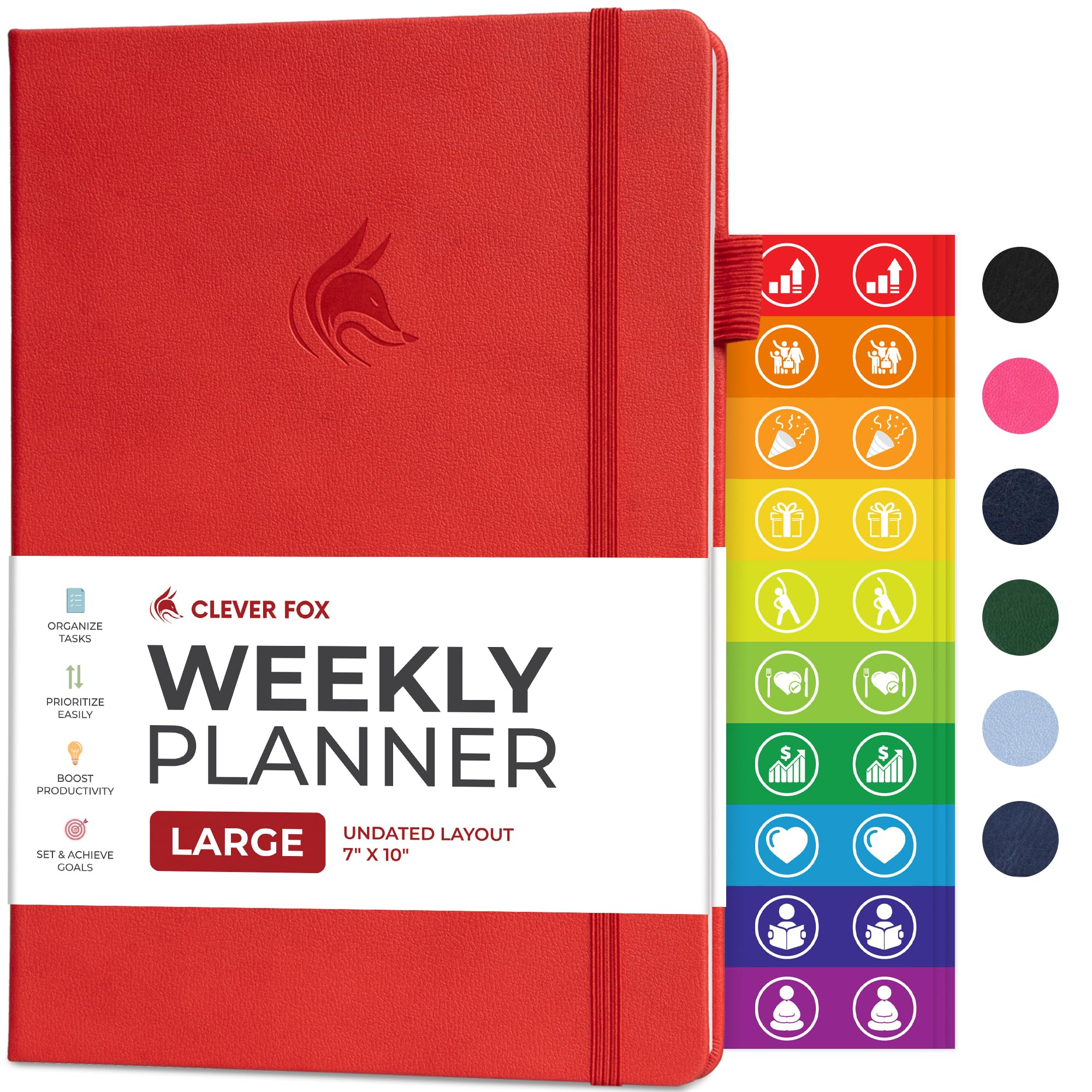
- The undated format lets the owner start at any time and take breaks without losing pages.
- Monthly, weekly, and daily planning supports goal setting.
- A user guide and 150 colorful stickers are included.
Best Gift For: A learner who likes mapping out goals, study plans, and weekly priorities on paper.
Light-Up Crystal Growing Kit

- The kit grows red, blue, and clear crystals for display.
- An included light-up display illuminates the finished crystals.
- A learning guide explains how crystals form.
Best Gift For: A child interested in crystals, chemistry, and a hands-on science activity.
VASAGLE 4-Tier Bookshelf
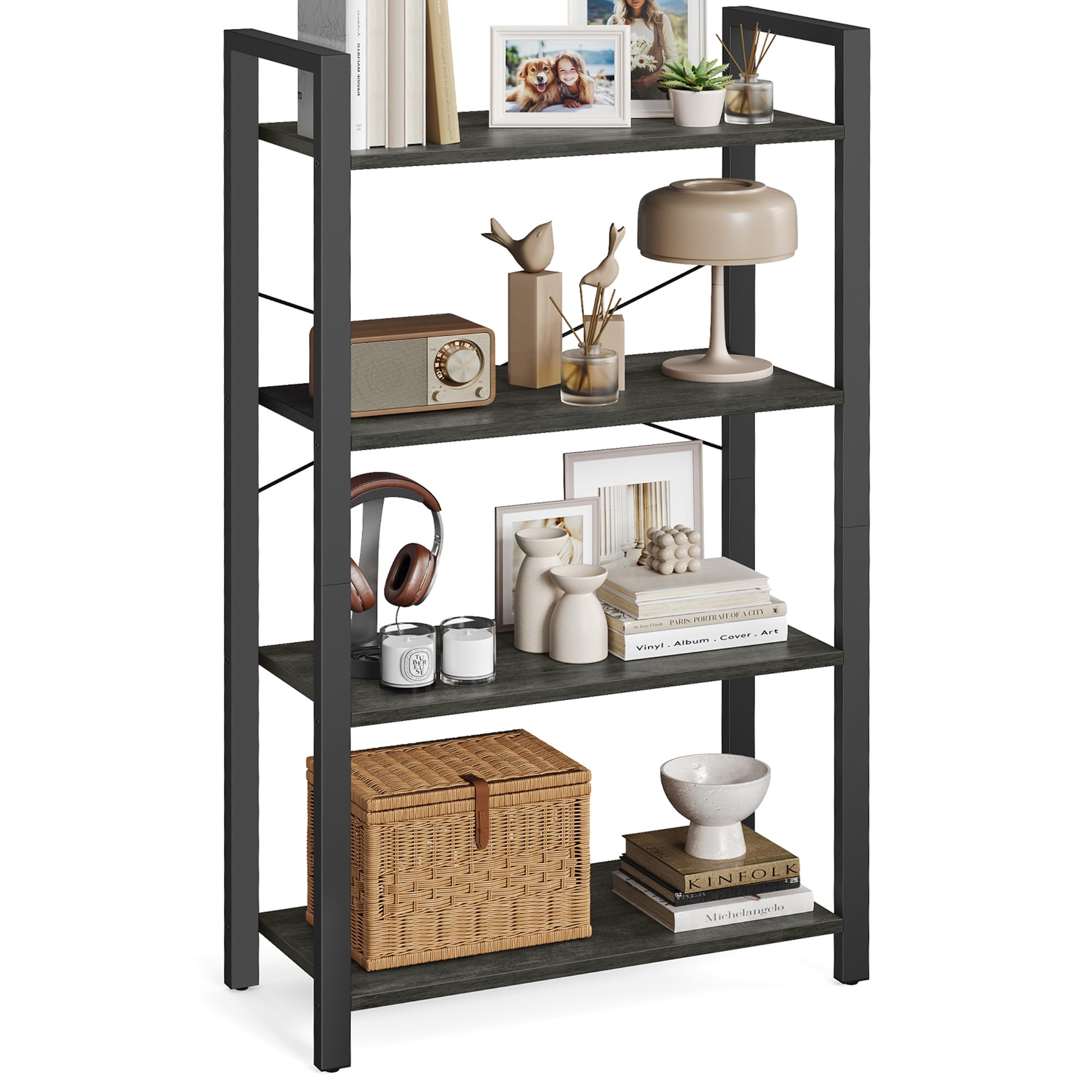
- Four tiers provide vertical storage while using little floor space.
- A particleboard and steel frame construction supports items up to 88 lb.
- Adjustable feet help balance the shelf on slightly uneven floors.
Best Gift For: A reader who needs vertical storage for books in a study, bedroom, or living room.
JLab Go Work Wireless Headset (1 Pack)
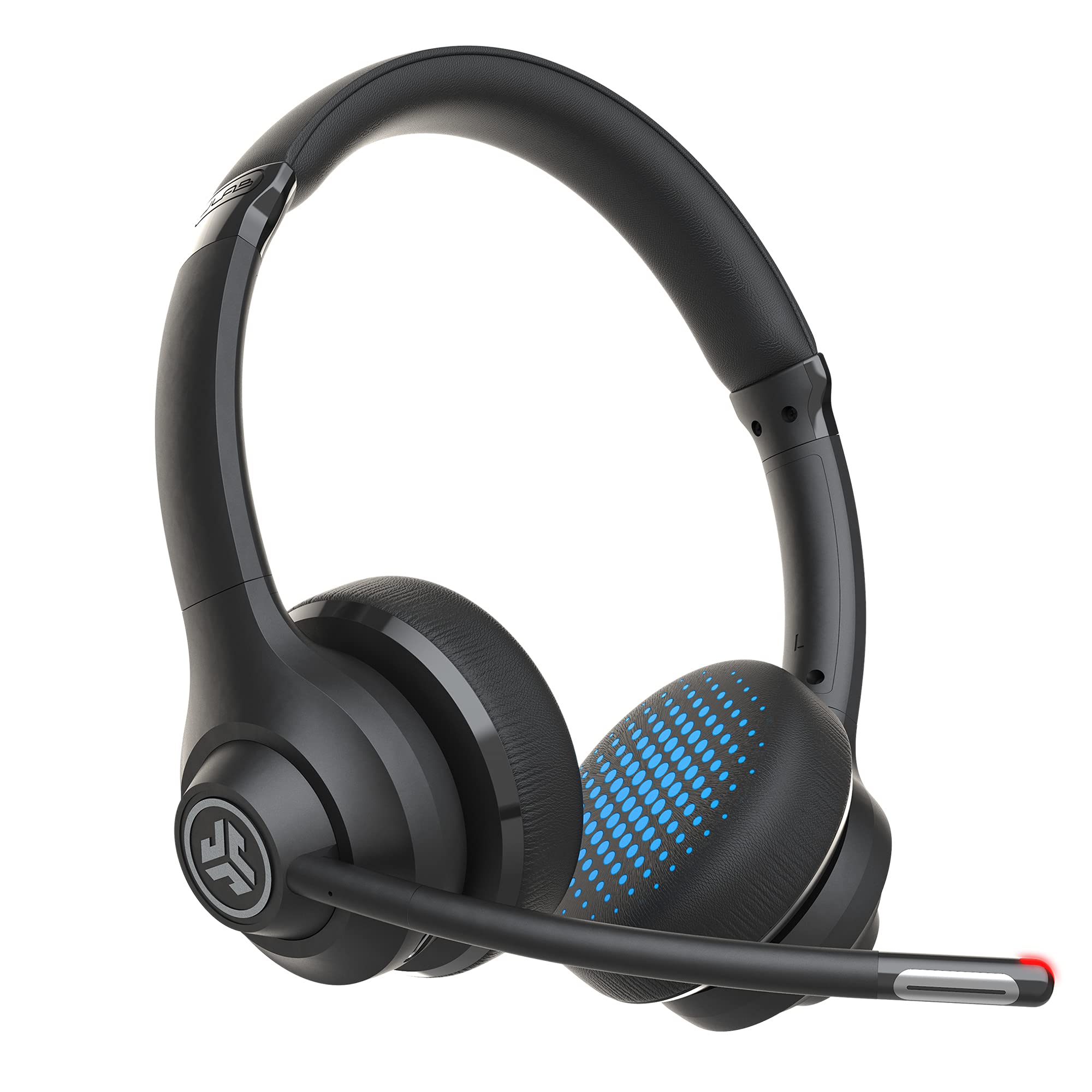
- Bluetooth multipoint supports connecting to two devices simultaneously.
- The boom microphone rotates out of the way for listening.
- The headset includes a USB-C to 3.5mm cable for wired use.
Best Gift For: A learner who takes online classes or joins study calls from a computer or phone.
Learning Resources Sum Swamp Math Game
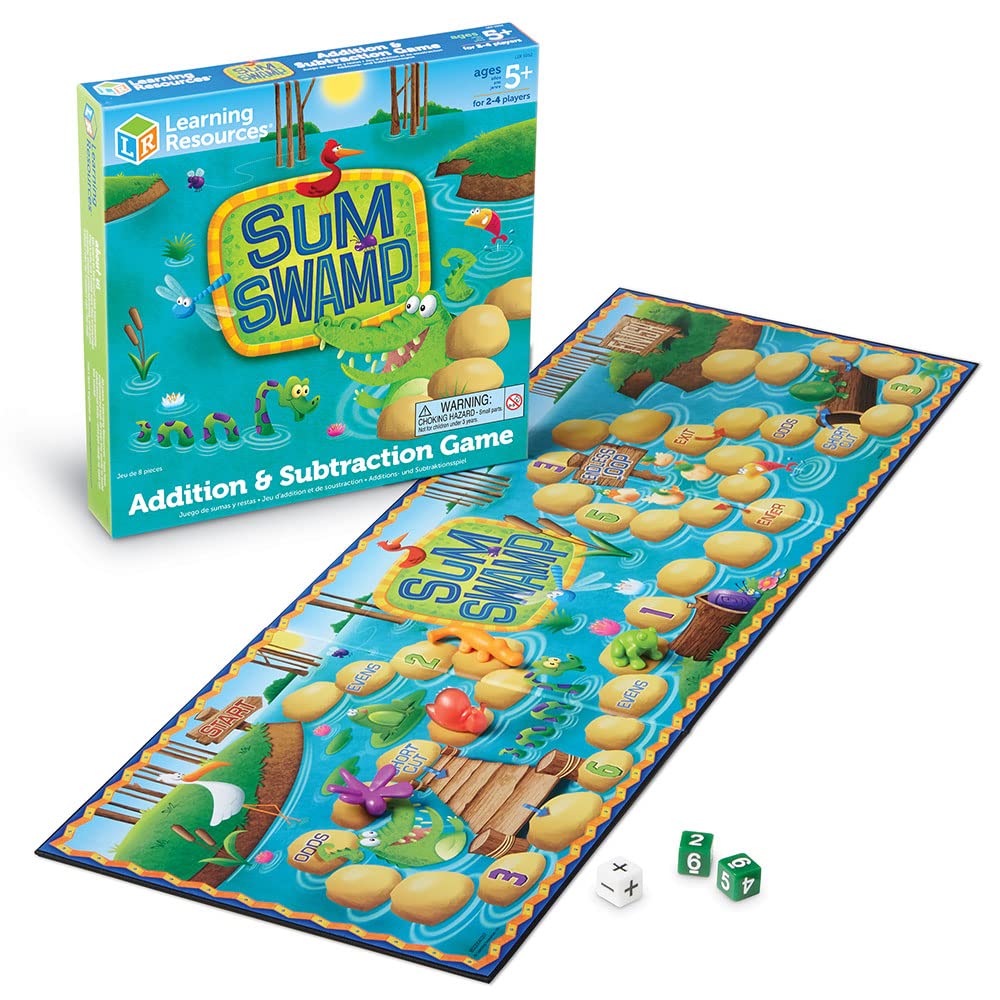
- The game practices addition and subtraction through play.
- It introduces even and odd numbers alongside other math concepts.
- Quick sessions pair math practice with family play.
Best Gift For: A family with young learners who enjoy practicing early math through play.
TOMLOV P10 Handheld Digital Microscope
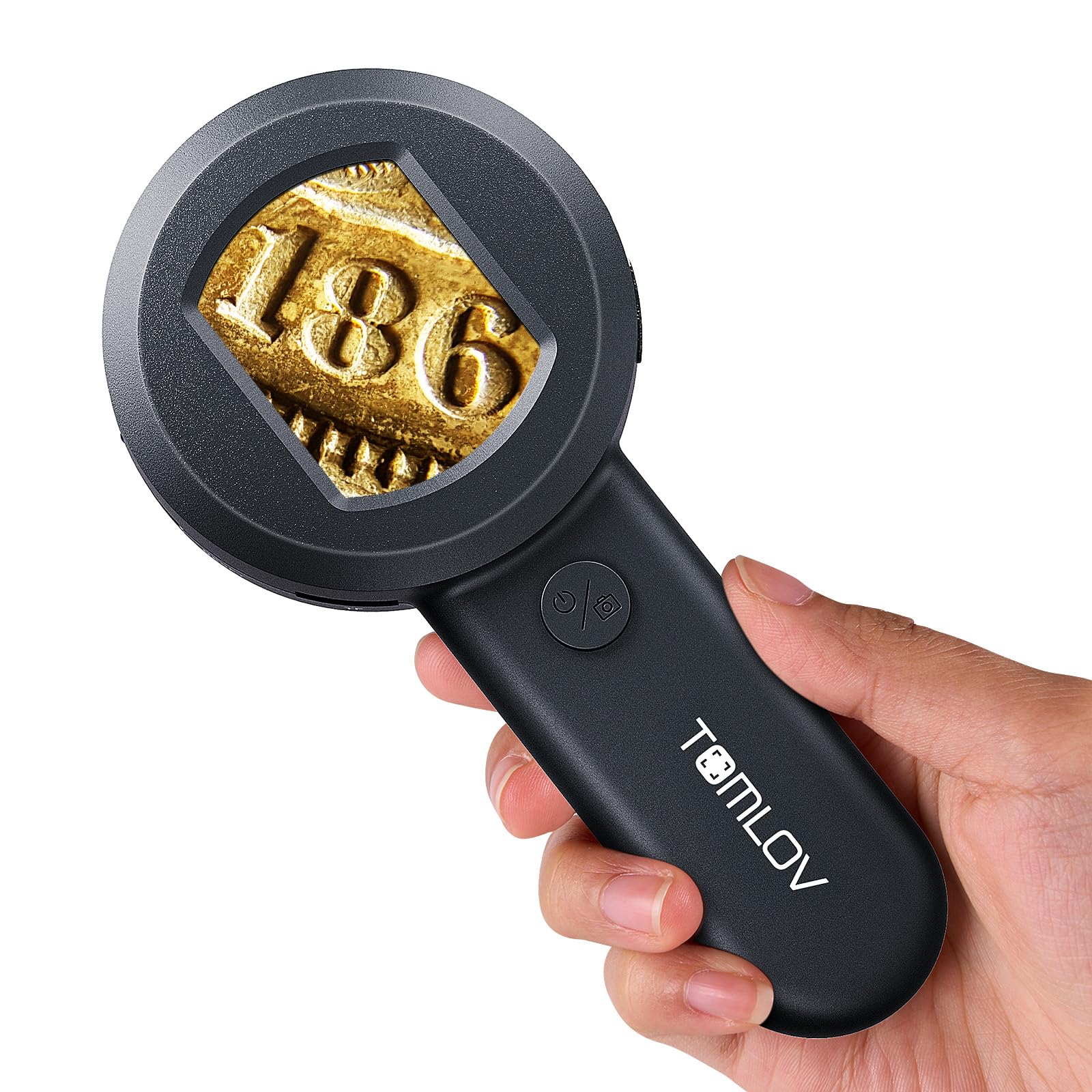
- A two-inch LCD screen shows live close-up images.
- White and UV lights illuminate objects beneath the lens.
- The microscope can connect to a computer for larger viewing.
Best Gift For: A curious adult or child who enjoys examining coins, plants, gems, or other small details.
Whitelines Graph Notebooks, 3-Pack

- The three-pack includes graph paper notebooks measuring 11 by 8.5 inches.
- Each notebook has 70 sheets of gray paper.
- The app can remove the paper background from captured notes or drawings.
Best Gift For: A student or lifelong learner who takes graph-style notes and likes keeping a digital copy.
Learning Resources 1-2-3 Build It Robot Factory

- The set invites children to build imaginative robot creations.
- Building play supports early engineering and critical thinking skills.
- The pieces are designed for little hands.
Best Gift For: A young child who likes building toys and imaginative robot play.
Learning Resources Minute Math Electronic Flash Card

- Practice covers addition, subtraction, multiplication, and division.
- One-minute challenges turn practice into a timed game.
- A silent mode supports quiet practice.
Best Gift For: A learner who wants brief math practice at home, in a classroom, or while traveling.
SKYDUE 360-Degree Rotating Desk Organizer
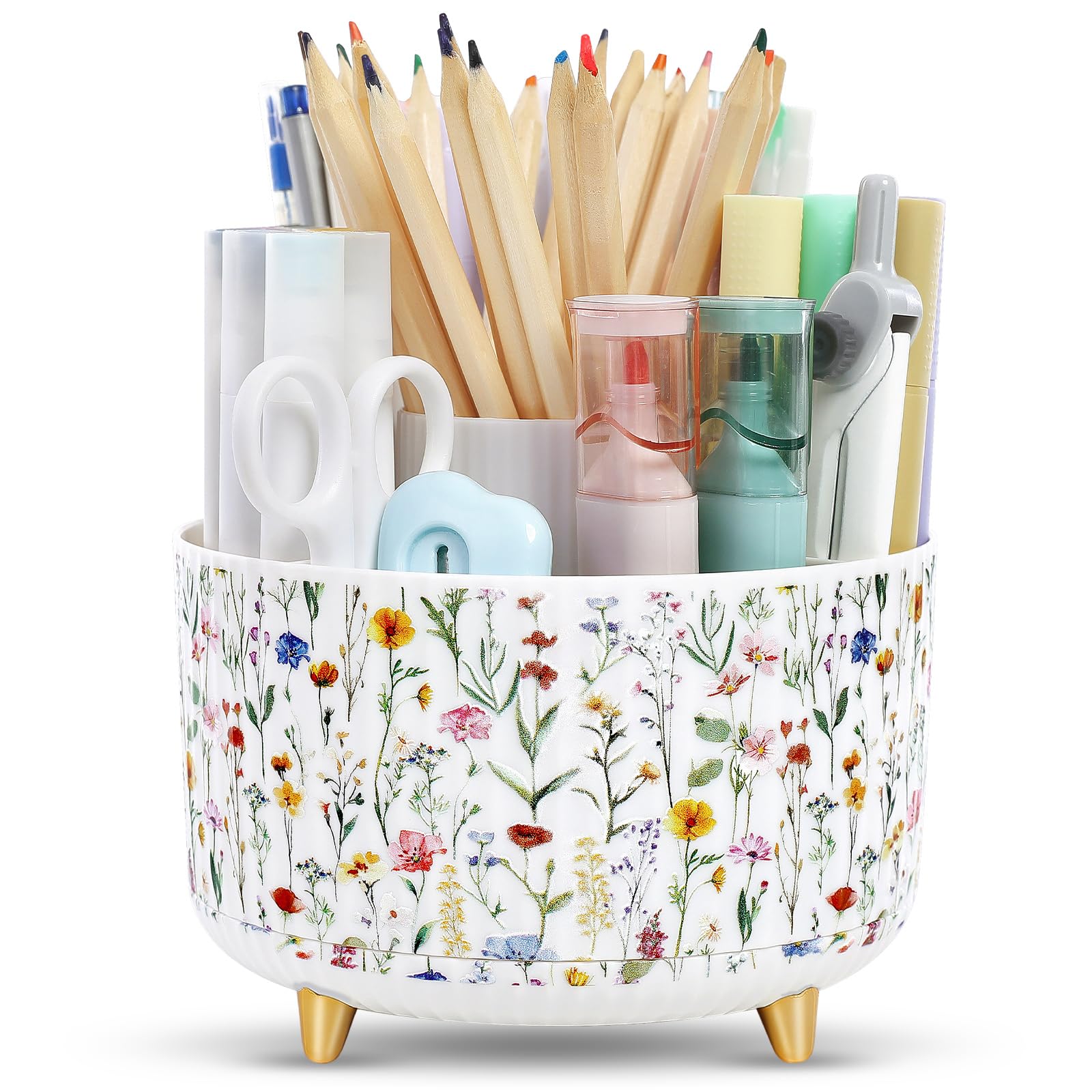
- Five compartments organize desk supplies while saving space.
- The holder rotates 360 degrees for easy access to writing tools.
- It can also hold art supplies or markers.
Best Gift For: A student or curious learner who wants writing tools and small supplies close at hand.
Choosing gifts for people who love learning under 50
For gifts for people who love learning under 50, start with the kind of curiosity that fills their free time. A reader may appreciate a more comfortable way to settle into a book, while someone taking classes could use tools that make notes, schedules, or remote sessions easier to manage.
Think about how they like to learn. Some people enjoy a quiet routine of reading and writing; others remember ideas better when they can build, experiment, or play through a challenge.
A gift that matches their preferred pace is more likely to become part of their week.
Age and setting matter, especially when choosing something hands-on. A family activity can invite an adult to join in, while a desk item may suit a student who wants a little more order in a shared room.
Consider who will use it and where it will live.
Balancing budget and usefulness
Set a comfortable spending limit before browsing, then compare what each gift includes and how often it may be used. Under-50 shopping can mean choosing one focused tool or a modest bundle that supports a learning habit; the right choice depends on the recipient’s routine, not the size of the package.
Consider any ongoing needs before deciding. A creative device, for example, may use consumables, while a storage or writing accessory may be ready to use with supplies the recipient already has.
Check the current product details and what is included so the gift’s full cost is clear.
If you are choosing for a child, consider whether an adult will need to participate or help set up the activity. For students and adults, ask whether the gift fits the space and devices they already use.
A practical fit can make a modest present feel thoughtful.
Personalizing gifts for people who love learning under 50
For gifts for people who love learning under 50, personalize the choice around a subject or habit they already enjoy. Pair a learning activity with a handwritten note naming the question, topic, or project that made you think of them; it gives the gift a personal starting point without adding clutter.
Presentation can extend the experience. Put a notebook with a favorite pen, or wrap a hands-on activity with a short invitation to explore it together.
Keep any extra materials simple and relevant, and avoid assuming the recipient needs supplies beyond what you have checked are included.
A small message can make a practical gift feel considered: mention a class they are taking, a book they recommended, or a skill they are excited to practice. If you are unsure about their taste, choose something with flexible uses, then leave room for them to decide how to make it their own.
Making a thoughtful choice for their routine
Think about daily friction points as well as interests. Someone juggling classes may value a place to collect plans and notes, while a home learner may enjoy a shared activity that turns practice into time together.
Choose one need the gift can meet rather than trying to solve every part of their routine.
For a learner who studies in a bedroom, a compact companion may be more welcome than a large item, especially if space is shared. For a household with room for projects, a hands-on activity might invite conversation.
A quick check of dimensions and intended use can prevent an awkward fit.
If the gift supports a new skill, make the first step easy: include a note suggesting a first page to fill, a small question to investigate, or a time to try the activity. Keep the suggestion light so it feels like an invitation rather than homework.
Last-minute buying advice
When time is short, focus on gifts with a clear use and check the current delivery estimate before placing an order. Delivery timing can change, so leave a backup plan such as a handwritten card explaining the learning experience you hope to share if the package arrives later.
Read current product details carefully for compatibility, dimensions, and included accessories. This matters for gifts that connect to a phone or computer, take up floor or desk space, or rely on supplies.
A few minutes of checking can prevent a present that cannot be used right away.
If you cannot confirm a detail, choose an option that fits what you already know about the recipient. Wrap it with a personal note and keep the focus on their curiosity.
A considered reason for choosing the gift often matters more than elaborate packaging or a last-minute add-on.