For kids who love science, a good gift can turn a quiet afternoon into a chance to experiment, observe, or build. These five picks offer different kinds of hands-on discovery for a range of ages.
Some focus on science experiments, while others make early STEM ideas part of play or support time spent reading. Check the age guidance and any extra requirements before choosing.
5 Gift Ideas for Kids Who Love Science
Light-up Crystal Growing Kit for Kids
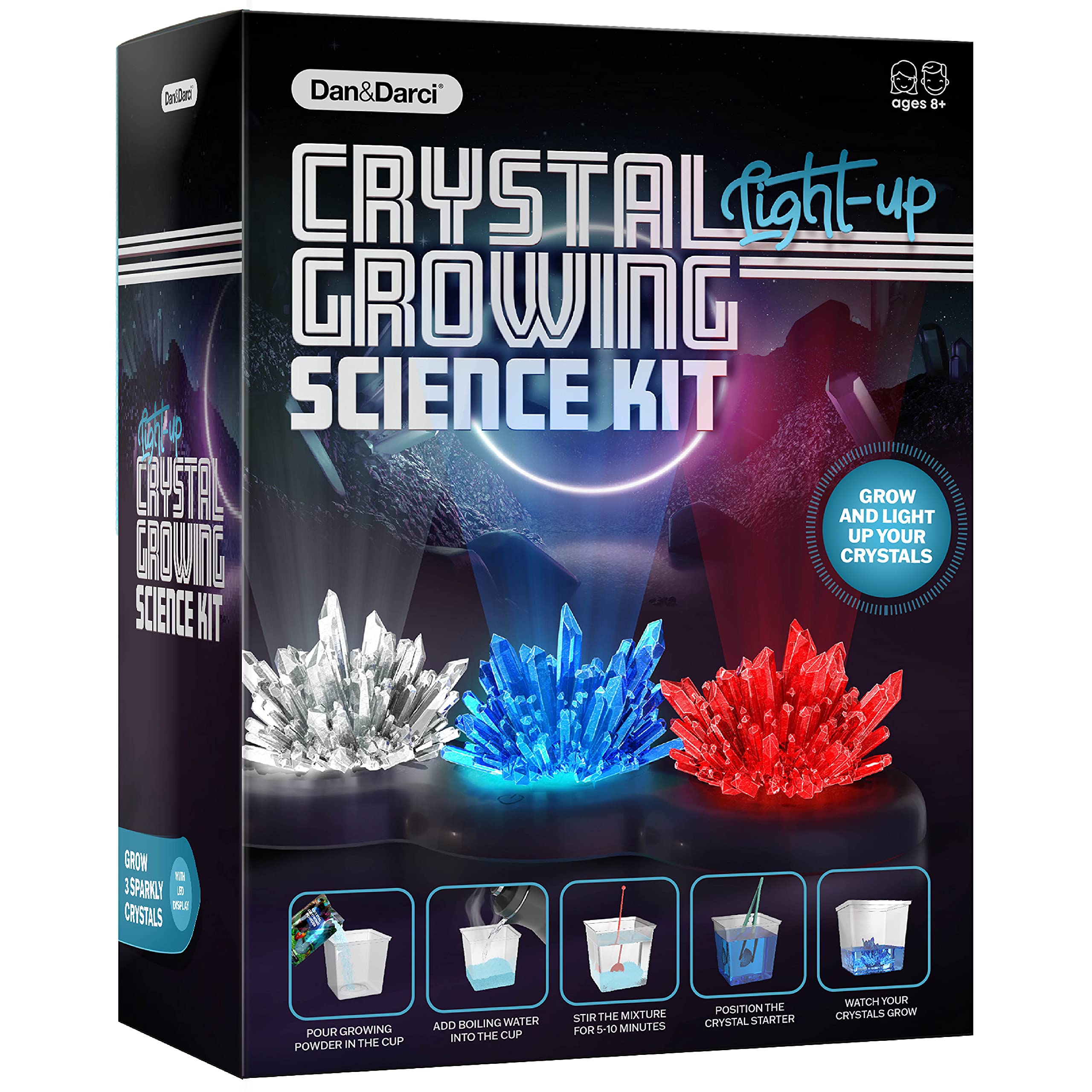
- Grow red, blue, and clear crystals with a hands-on kit.
- Display the crystals on an included LED light-up display.
- The illustrated guide explains how crystals form.
Best Gift For: A young experimenter who would enjoy growing and displaying colorful crystals.

GeoSafari My First Microscope
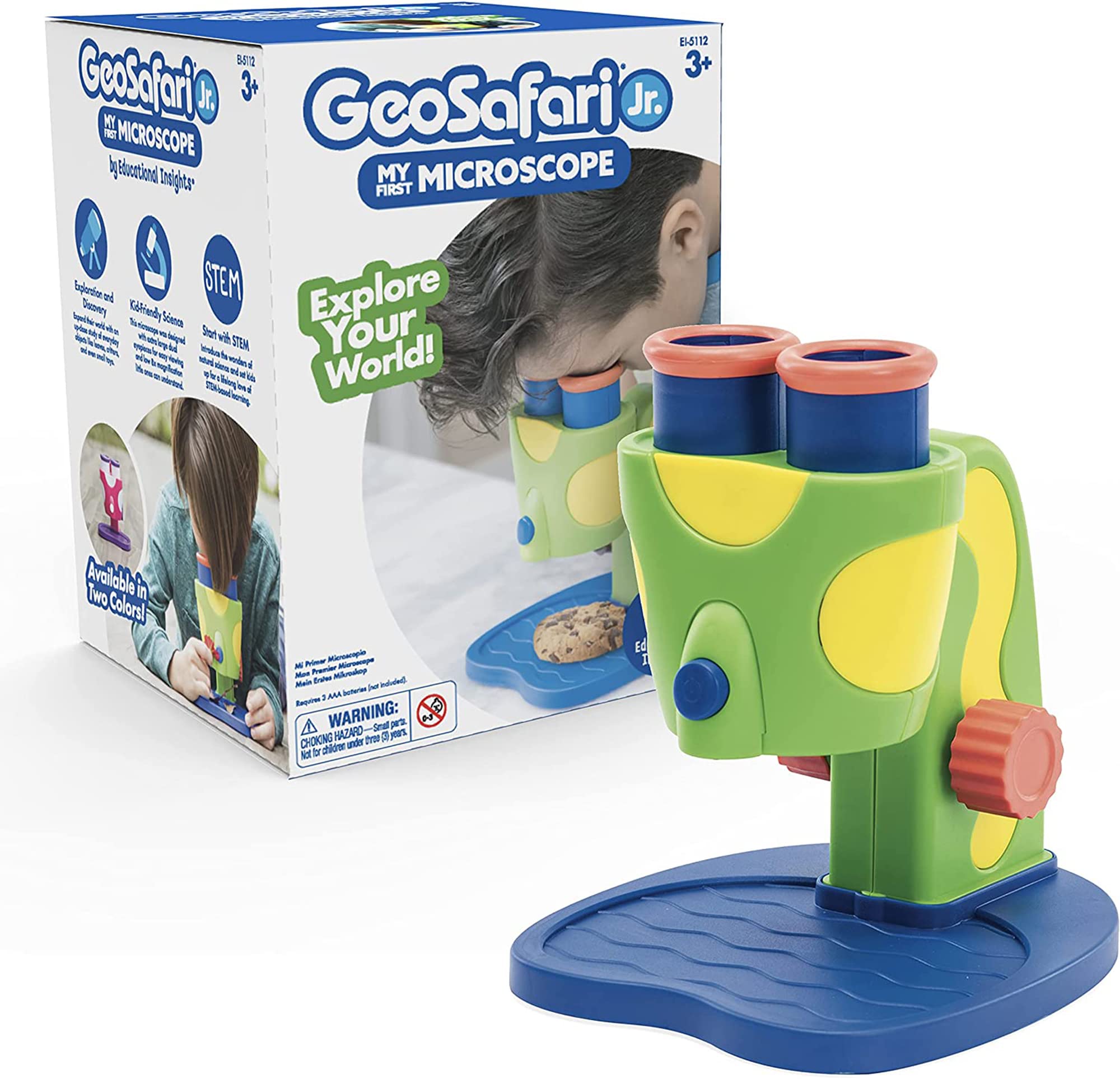
- Explore a set of prepared slides with storage.
- Large eyepieces let children keep both eyes open.
- The microscope uses three AAA batteries, which are not included.
Best Gift For: A young child ready to explore prepared microscope slides with a kid-friendly microscope.
SmartMax My First Dinosaurs Magnetic Building Set
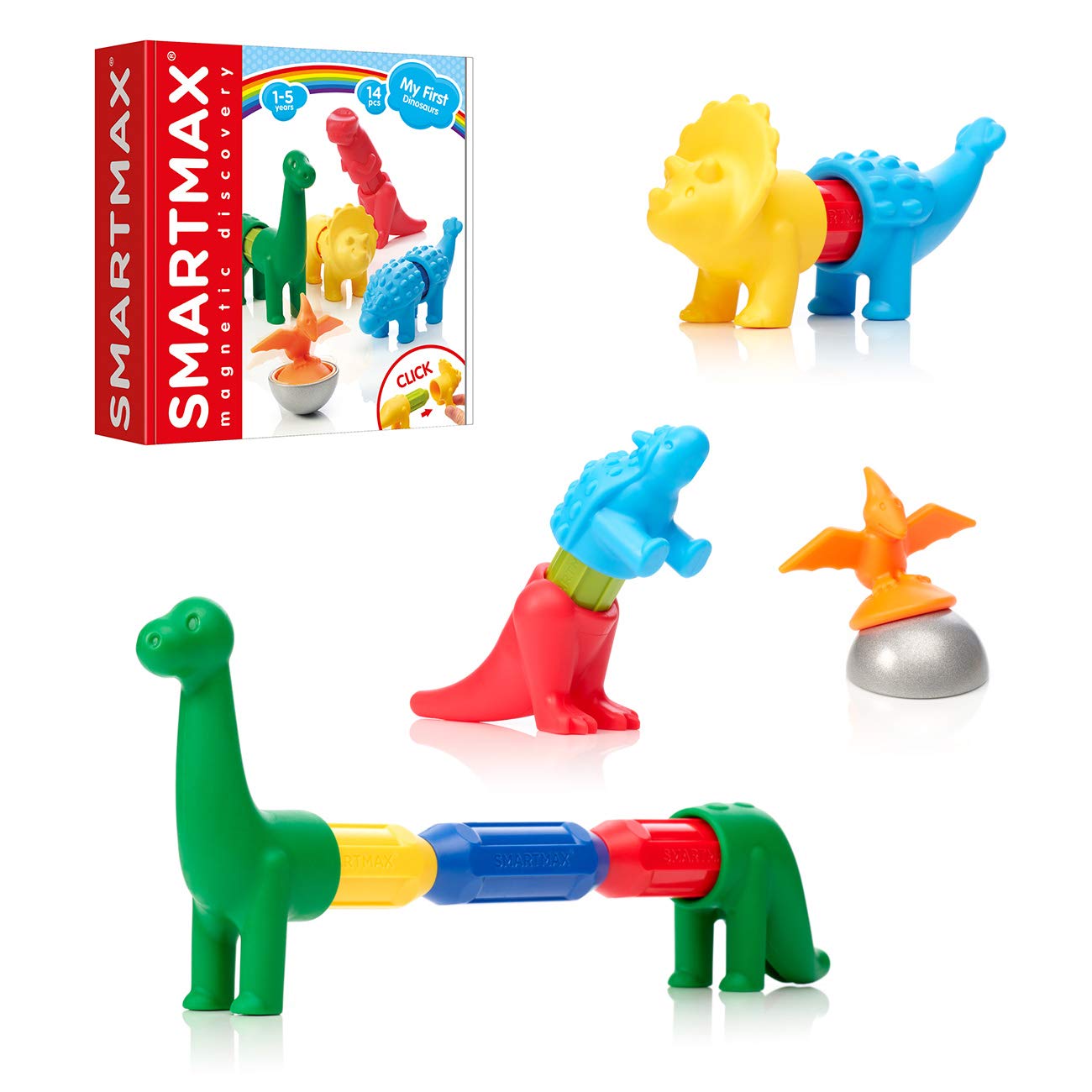
- Build dinosaur figures or mix pieces into new creations.
- The set includes 18 colorful pieces.
- Compatible SmartMax sets can expand the building play.
Best Gift For: A young dinosaur fan who enjoys building and mixing magnetic pieces.
1-2-3 Build It Robot Factory
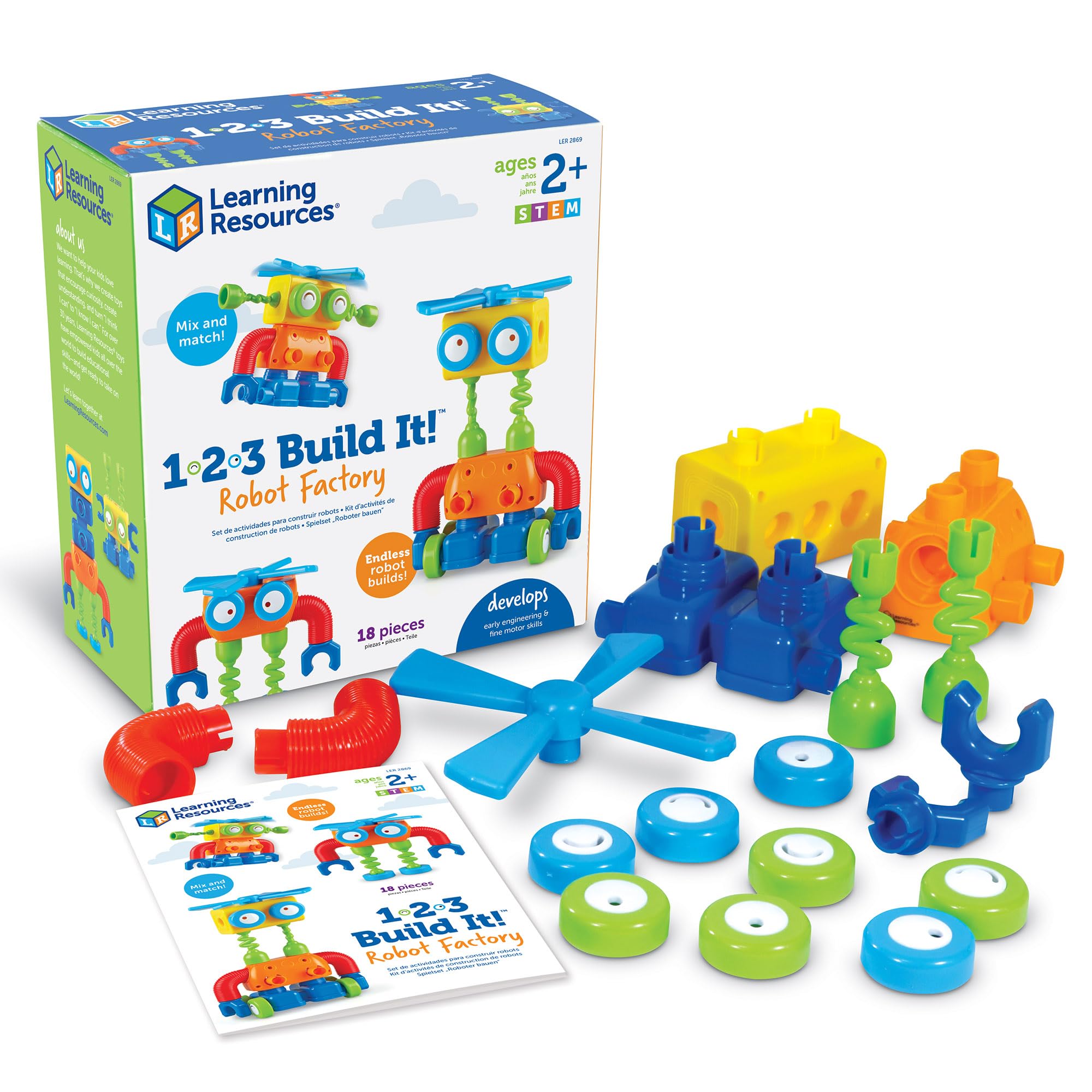
- Build imaginative robot creations with the included toy pieces.
- The activity supports early engineering and critical thinking.
- The pieces work with other 1-2-3 Build It! sets.
Best Gift For: A toddler who likes making imaginative robot creations and practicing early building skills.
Glocusent Book Light, Bendable Neck Light
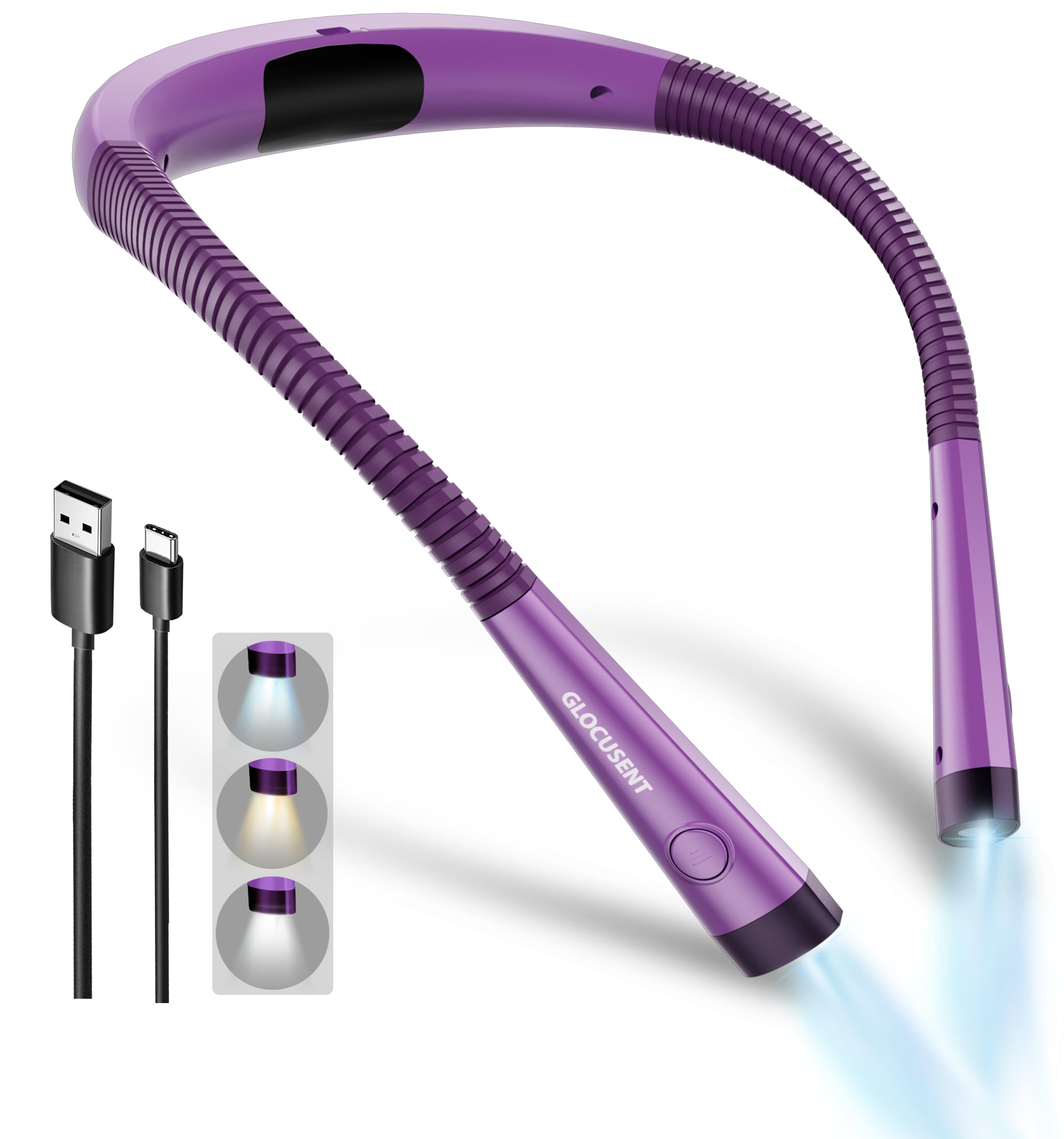
- Choose from three color modes and six brightness settings.
- Adjust the flexible arms to aim the light comfortably.
- Rechargeable lighting offers up to 80 hours for general reading with a single head.
Best Gift For: A young science enthusiast who enjoys reading and could use hands-free light for books.
Choosing gifts for kids who love science
Start with the child’s age, patience, and preferred way to play. A child who likes watching a process unfold may enjoy a growing project, while a curious observer may be more drawn to looking closely at prepared slides.
For younger children, magnetic building can make early STEM ideas part of open-ended play.
Think about how much adult help the activity may need and where it will happen. A project with several steps can be a fun shared activity; a set of sturdy-feeling pieces or a reading light may fit more naturally into everyday routines.
Check the product’s age guidance and instructions before deciding.
For gifts for kids who love science, the best fit is often the one that matches an existing spark of curiosity. A dinosaur fan might enjoy building figures, while a child who asks how things grow may be excited by a crystal experiment.
You do not need to turn every gift into a lesson; leaving room for play can make discovery more inviting.
Balance budget and what comes in the box
Set a comfortable budget, then compare what each gift includes and whether it needs anything extra. A microscope that requires batteries, for example, may call for a small add-on if you want the gift ready to use.
Check current product details for included components and any requirements before ordering.
A lower-cost choice can still feel thoughtful when it suits the child’s interests. Consider whether the gift offers one focused activity or can be combined with compatible sets already at home.
For a bigger present, think about whether it will be used more than once or shared with a sibling.
When shopping for gifts for kids who love science, compare the experience as well as the price. One child may prefer a project with a visible result; another may return to building and inventing different designs.
Matching the activity to the recipient can matter more than choosing the most elaborate package.
Make the gift feel personal
Add a note that connects the present to something the child already wonders about: favorite animals, rocks, space, or how machines work. Keep the message simple and let the gift invite the next question.
If the activity is meant for a shared afternoon, include an offer to try it together.
Presentation can set the tone without adding much cost. Wrap a science activity with a small notebook for sketches or observations, or pair a reading light with a book the child is excited to open.
Check that any extra item suits the recipient and the gift’s instructions.
For gifts for kids who love science, a personal touch can be an invitation rather than an expectation. Suggest looking for patterns, inventing a new build, or sharing what they notice.
Give them space to use the gift in their own way, and avoid promising a particular result from an experiment.
Last-minute shopping advice
Before placing an order, review the age range, included parts, and any batteries or supplies needed. Check the current product page for dimensions and compatibility when those details matter for your plans.
If the child already owns pieces from a building system, verify that a new set works with them.
Delivery estimates change, so check the date shown for your address and leave a backup plan if the occasion is close. A book, note, or simple science-themed activity you can prepare at home can help if a package does not arrive in time, without making assumptions about shipping.
If you are choosing among gifts for kids who love science at the last minute, return to the child’s interests and the practical details. A suitable age range, a clear plan for any extras, and a delivery estimate you can work with make a more dependable choice than rushing toward a flashy option.