For kids who love asking how things work, a good gift can turn curiosity into hands-on play. These six picks span simple experiments, building, and early math practice.
Consider the child’s age, interests, and the kind of activity they enjoy most: watching a project unfold, making something, or solving a quick challenge.
6 Gift Ideas for Curious Kids
Light-up Crystal Growing Kit

- Grow red, blue, and clear crystals, then display them on the light-up stand.
- The illustrated guide explains how crystals are formed.
- The kit includes cups, crystal powder, starters, and a mixing stick.
Best Gift For: A young science fan who would enjoy growing and displaying colorful crystals.

GeoSafari My First Microscope
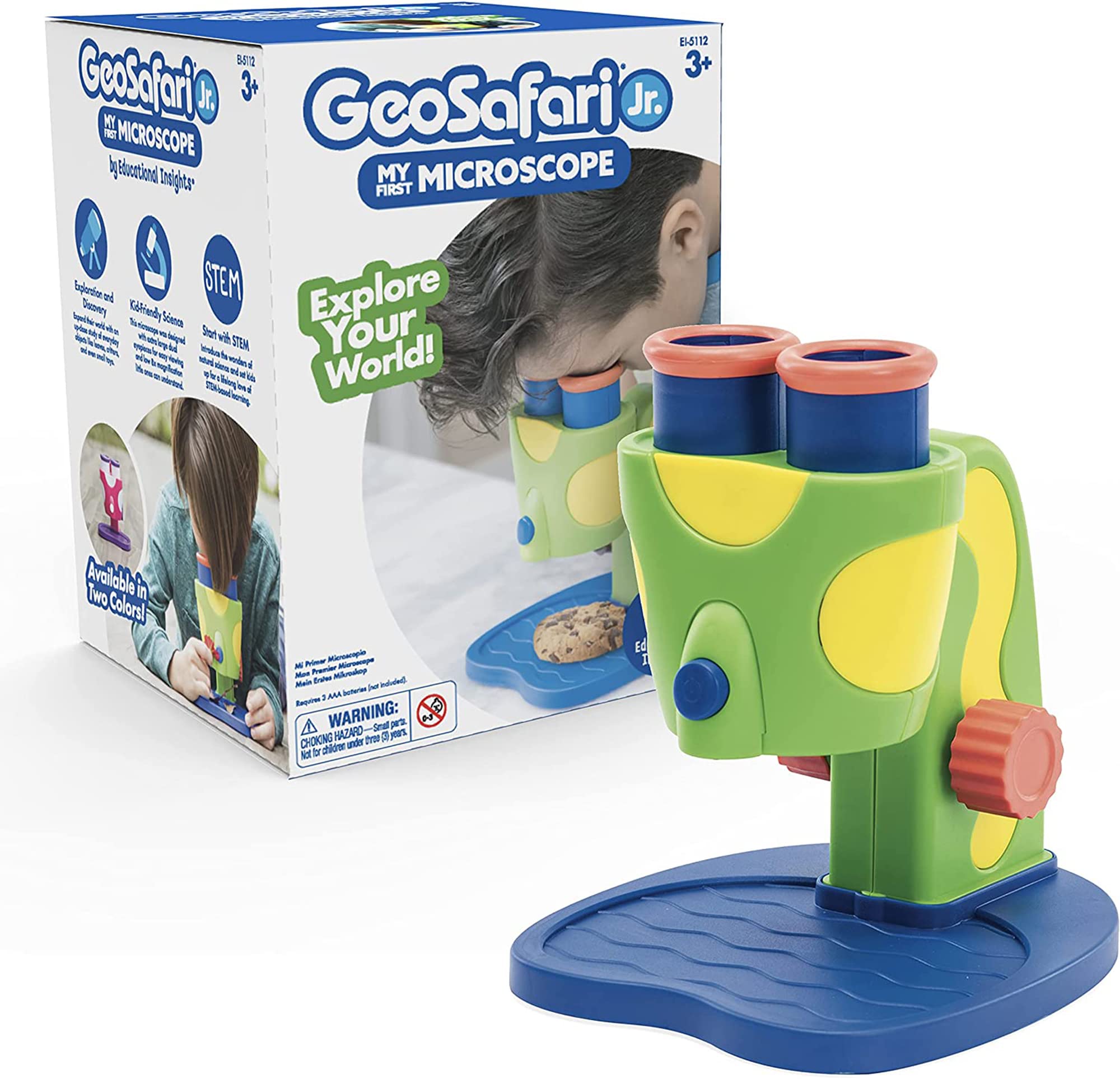
- Two large eyepieces let children look without closing one eye.
- The microscope has an overhead LED light and a sample tray.
- It comes with prepared slides and requires three AAA batteries, sold separately.
Best Gift For: A young child ready to explore samples and build curiosity about science.
My First Dinosaurs Magnetic Building Set
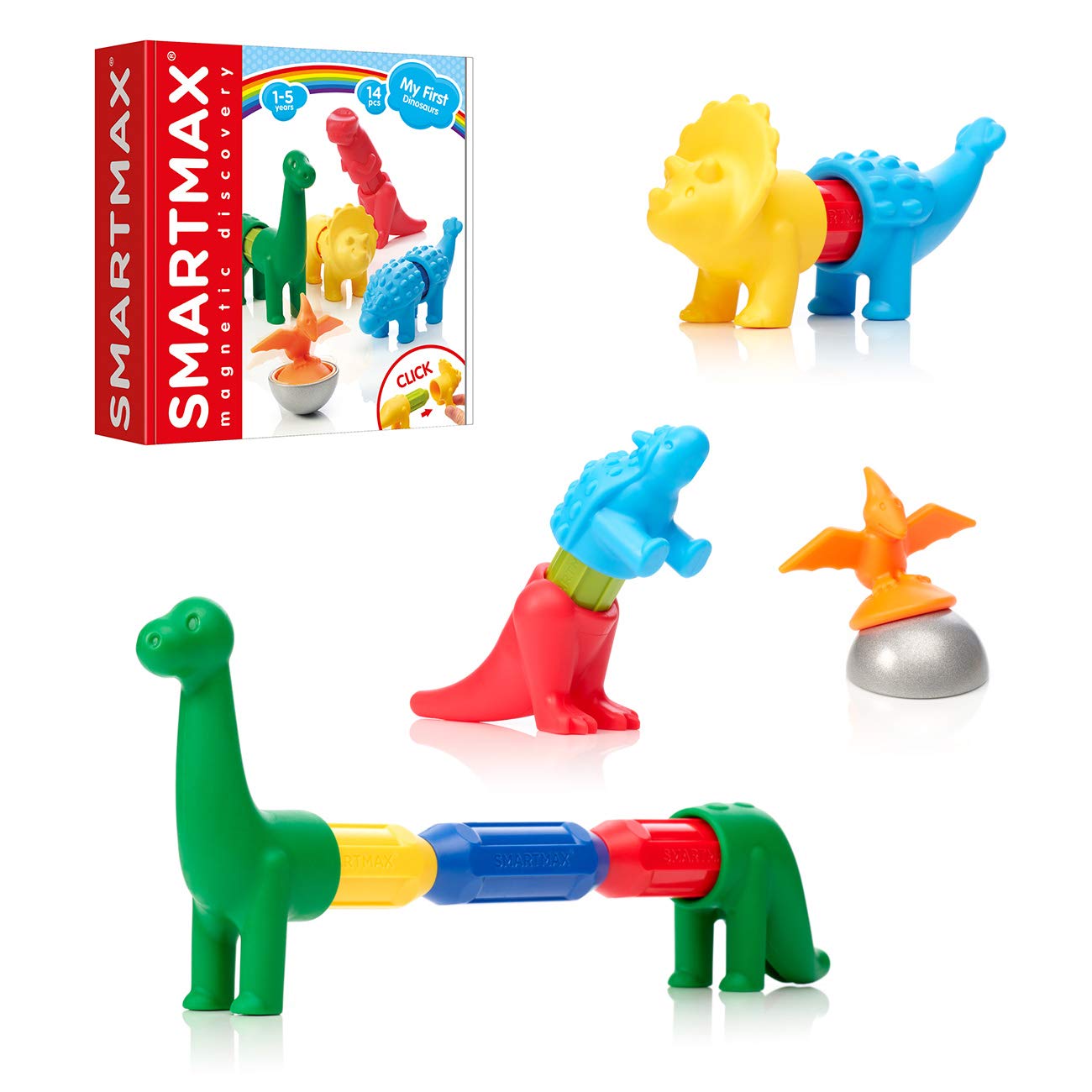
- Build dinosaur figures or mix and match parts into new creations.
- Connecting the pieces introduces early magnetism and engineering skills.
- The set has colorful magnetic bars and soft dinosaur pieces for little hands.
Best Gift For: A dinosaur-loving young child who enjoys building and imaginative play.
1-2-3 Build It Robot Factory

- Children can make their own imaginative robot creations.
- Building encourages early engineering, critical thinking, and STEM skills.
- The easy-to-handle pieces support fine motor practice.
Best Gift For: A toddler who likes making robot creations and practicing hands-on building.
Super Sorting Pie
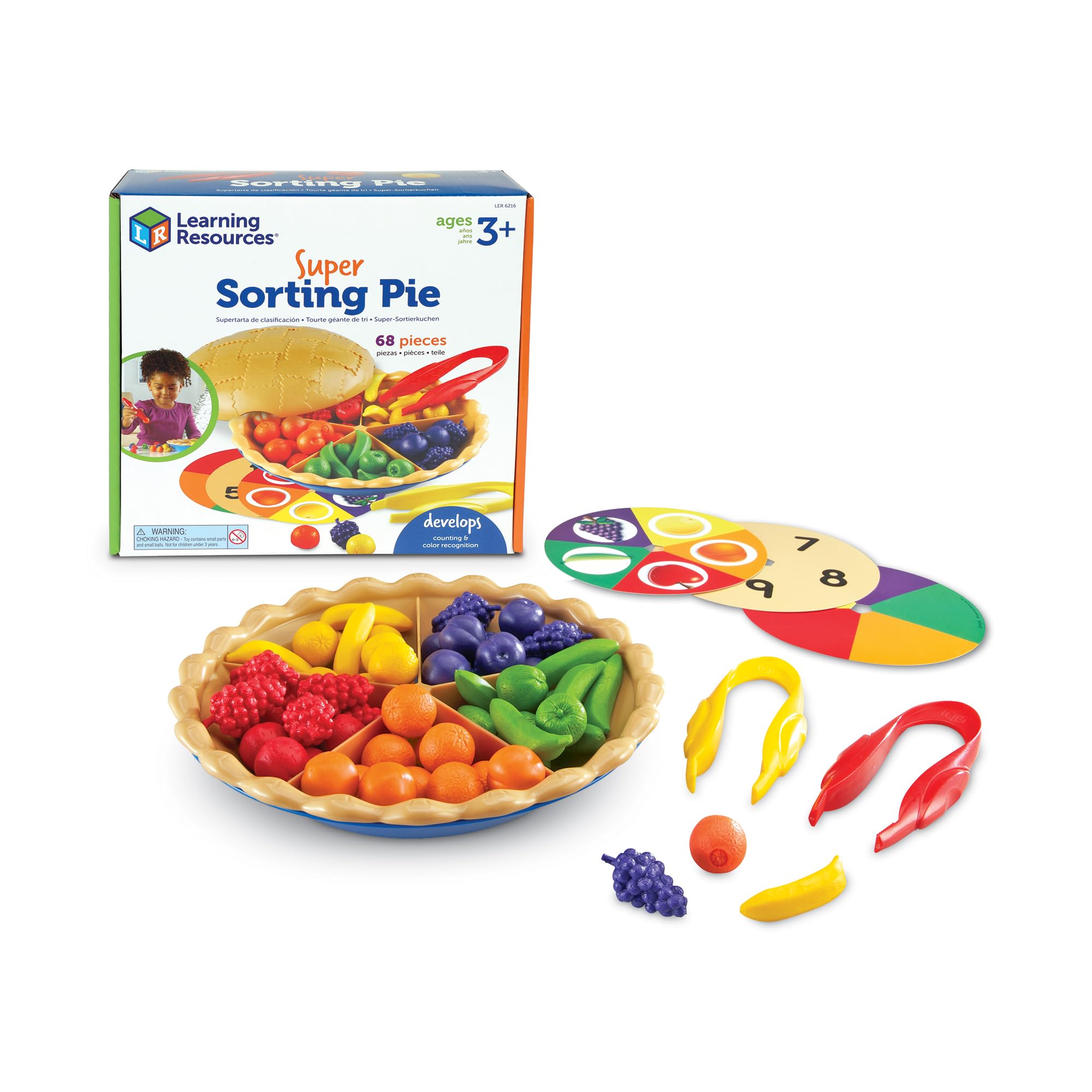
- The fruit pie set offers practice with counting, sorting, and color recognition.
- Jumbo tweezers give little hands practice with coordination and grasp.
- Fruit counters, sorting cards, and a divided pie plate provide activity options.
Best Gift For: A preschooler who enjoys sorting colorful pieces and practicing early math.
Minute Math Electronic Flash Card

- Practice addition, subtraction, multiplication, and division.
- One-minute challenges turn practice into a timed game.
- A silent mode suits quiet practice in shared spaces.
Best Gift For: A student who would enjoy short math challenges at home or while traveling.
Choosing gifts for kids who love science under 50
When choosing gifts for kids who love science under 50, start with the child’s age and attention span. A child who enjoys watching a project change may be drawn to a growing experiment, while a young builder may prefer pieces they can assemble and rearrange.
A student who likes puzzles may welcome short math challenges.
Think about the setting, too. A tabletop activity can suit a rainy afternoon at home, while a compact learning game may fit into a waiting room or a car ride.
If the child will use the gift with an adult or sibling, choose an activity that naturally invites shared turns or conversation.
For younger recipients, consider whether the activity asks for close focusing, small hand movements, or sustained attention. When you’re unsure, ask a parent or caregiver which kinds of play the child already enjoys and what is a comfortable match for their stage.
Balancing budget and play value
A modest budget can cover different kinds of learning: experiments, building, and math practice. Think about whether one focused activity is likely to hold the child’s interest or whether a gift that works alongside sets they already own may be more useful.
Check current prices before buying, since prices can change.
Factor in what the child needs to start. Some activities are ready to explore with the included pieces, while others may need a household item such as batteries.
Check the current product details and ask the caregiver about supplies already on hand so there are no surprises when the gift is opened.
A gift can also feel substantial through how it is used: a project to revisit, a shared building session, or a little routine for practicing skills. Choose based on the child’s interests rather than assuming that a bigger box or a more elaborate activity will be the better fit.
Make the gift personal
For gifts for kids who love science under 50, a personal touch can connect the activity to a child’s favorite questions. Add a simple note inviting them to observe, build, sort, or solve together.
Mention a recent interest—dinosaurs, colors, or how things grow—without promising what the activity will show.
Presentation can set up the first moment of play. Wrap the gift with a small sketch or a handwritten question, or tuck it into a bag with space for the child to keep any creations or activity pieces together.
Keep the setup simple so the child can focus on exploring the gift.
If the child will need help getting started, coordinate with a parent or caregiver about when to open it. A shared activity can be especially welcome when it gives the child someone to talk with as they try things, but leave room for independent play if that is what they prefer.
Check fit before you order
Read the current age guidance and product details carefully, especially for a young child. Confirm whether any batteries or other supplies are needed, and ask the caregiver to check that the activity suits the child’s abilities and the available play space.
For building and hands-on sets, it may help to check dimensions and compatibility with items the family already has. For learning devices, confirm that the child can use the controls comfortably and that the activity matches what they are practicing.
These small checks can make a thoughtful gift easier to enjoy.
If the gift is for a specific occasion, check the seller’s current delivery estimate before ordering and leave time for wrapping or a note. Delivery timing and availability can vary, so keep a backup idea in mind if the date is close.
Last-minute gift planning
When time is short, choose an activity that fits the child’s current interests and is easy for the family to picture using. A clear match—a dinosaur fan who likes building, for example—can feel more thoughtful than a generic educational label.
Check actual prices, product details, and delivery estimates before placing an order.
If you cannot confirm a detail, ask the caregiver rather than guessing about age fit, supplies, or compatibility. You can also make the gift feel complete with a short handwritten invitation to explore together, which adds a personal note without requiring extra shopping.
Keep a simple alternative ready in case the first choice is unavailable or its delivery estimate does not work. A second activity from a different interest area can still support curiosity, and a thoughtful message can explain why you chose it.
The aim is to make room for play and discovery at a pace that suits the child.