Homeschooling blends teaching, planning, and family life, so a useful birthday gift can support the parent or add a little delight to a learning day.
These twelve ideas range from practical desk tools to hands-on activities children can enjoy with an adult.
12 Gift Ideas for Homeschool Parents
Clever Fox Planner PRO Light, Undated Weekly Planner

- Undated pages let the recipient start when it suits their school-year rhythm.
- Monthly, weekly, and daily layouts support planning at different levels.
- A quick-start guide and planning stickers are included.
Best Gift For: A homeschool parent who likes mapping goals and weekly lessons in one place.

Phomemo D30 Bluetooth Label Maker with 3 Tapes
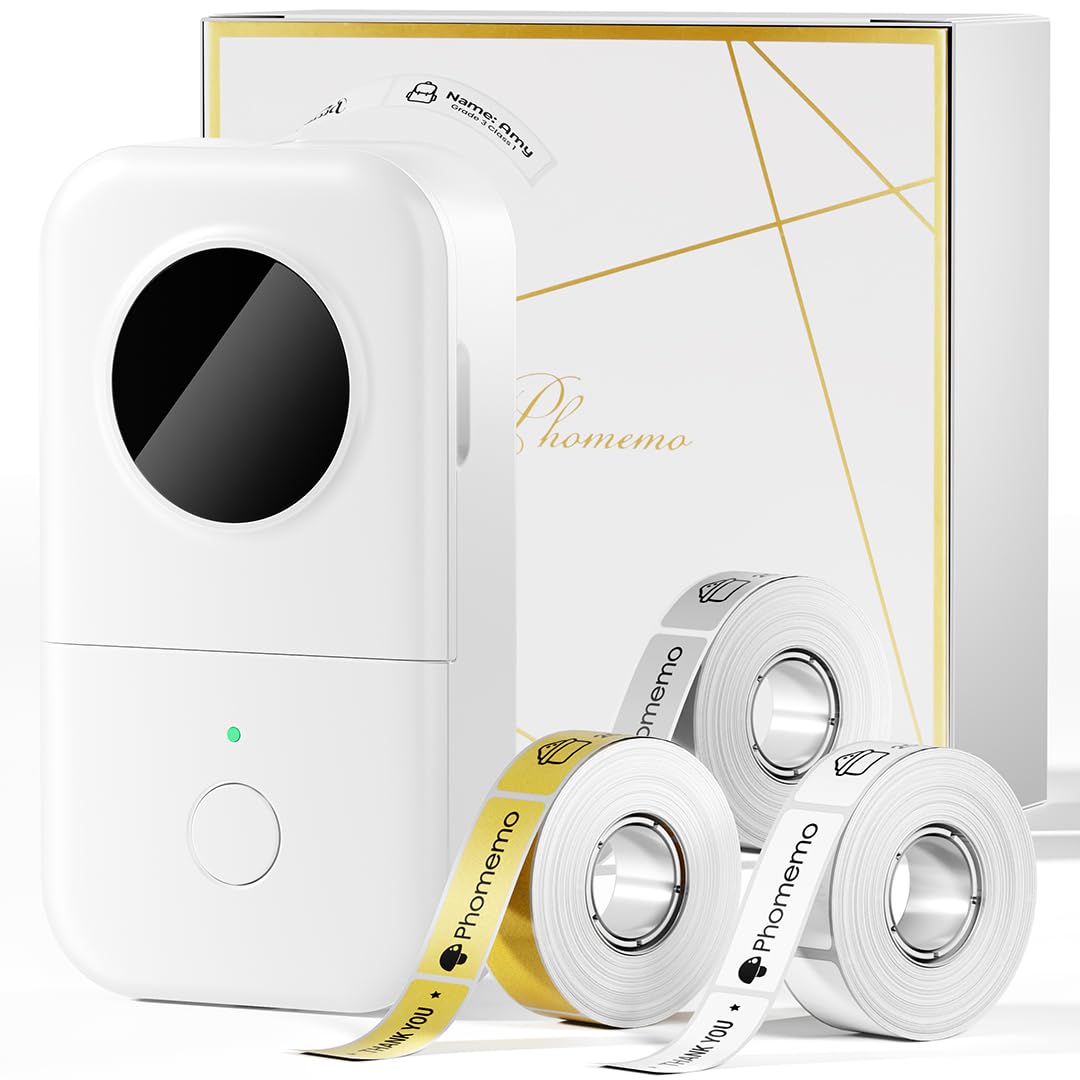
- The set includes three tapes in white, gold, and clear.
- Thermal printing works without ink, toner, or ribbons.
- Labels can be made from a mobile device over Bluetooth.
Best Gift For: A homeschool parent who wants to label shared learning and storage supplies.
Glocusent Rechargeable Neck Reading Light

- Three color modes and six brightness settings offer adjustable light.
- The flexible arms can be adjusted for a comfortable angle.
- Its narrow beam is designed to focus light without disturbing a sleeping partner.
Best Gift For: A parent who enjoys reading after lessons or needs hands-free light for small tasks.
SKYDUE 360 Degree Rotating Desk Organizer
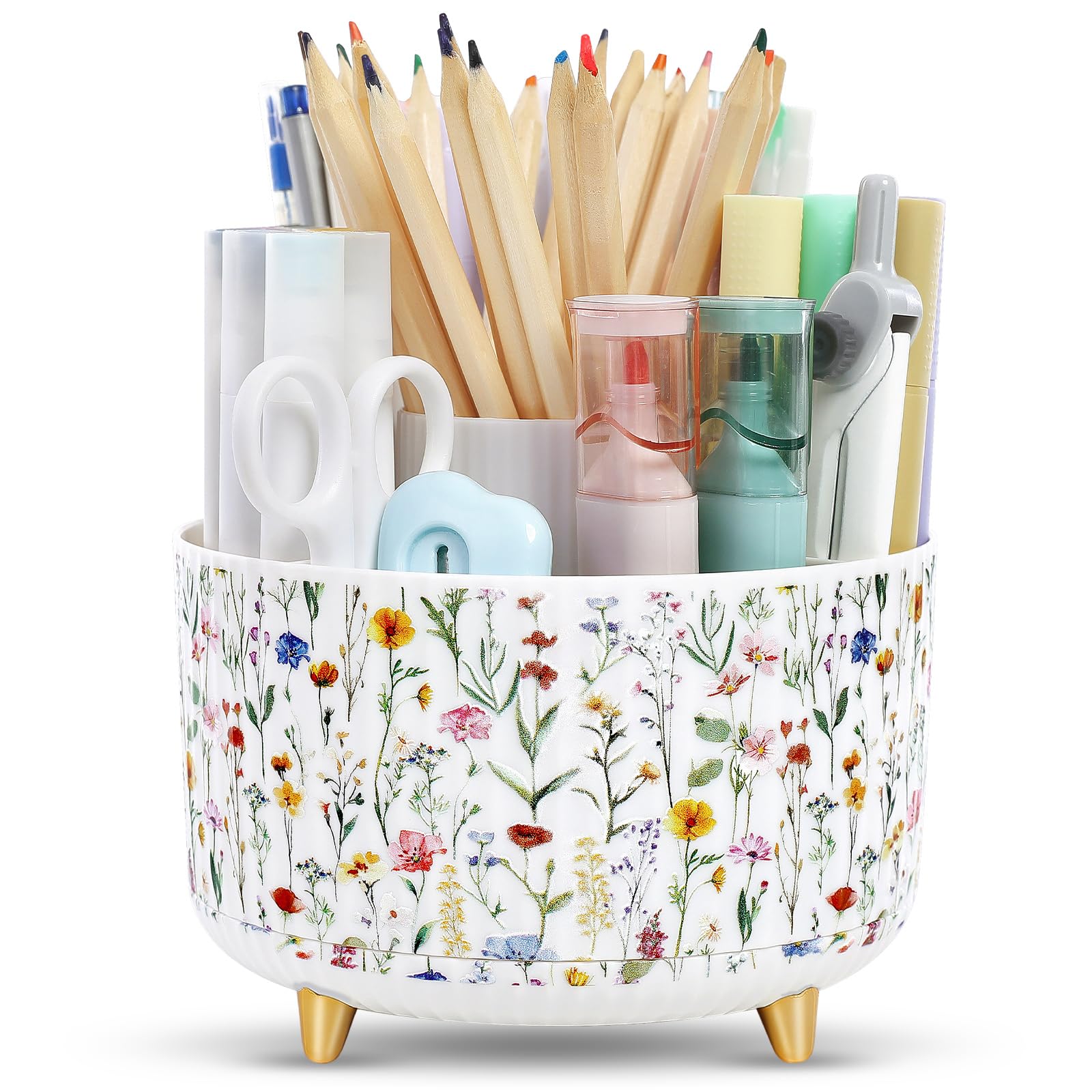
- Five compartments provide storage while using limited desk space.
- The holder rotates to make writing tools easier to reach.
- It can also hold art supplies or markers.
Best Gift For: A homeschool parent who wants frequently used pens and small supplies within reach.
Cross Classic Century 23KT Gold Plated Ballpoint Pen

- The pen has a slim profile and a metal body.
- Its writing mechanism uses a swivel action.
- It arrives in a gift box and can be carried in a bag or pocket.
Best Gift For: A homeschool parent who would appreciate a polished pen for notes or journaling.
VASAGLE CUSTOS 5-Tier Bookcase
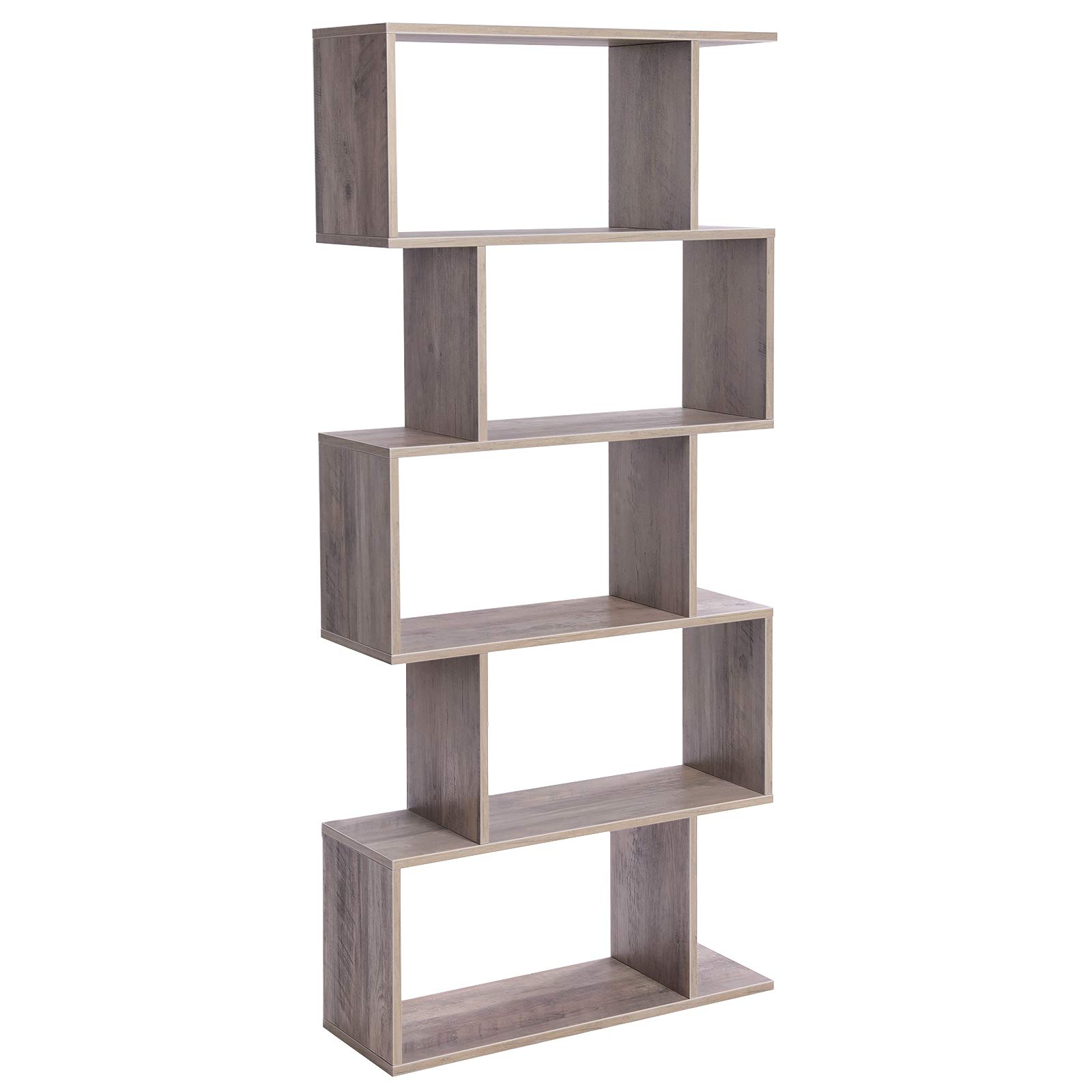
- Open shelves provide storage for books and display items.
- Two anchoring devices are included to help keep it in place.
- Each shelf supports a load capacity of 22 lb.
Best Gift For: A homeschool family with space for a dedicated shelf for books and learning materials.
Educational Insights The Sneaky, Snacky Squirrel Game
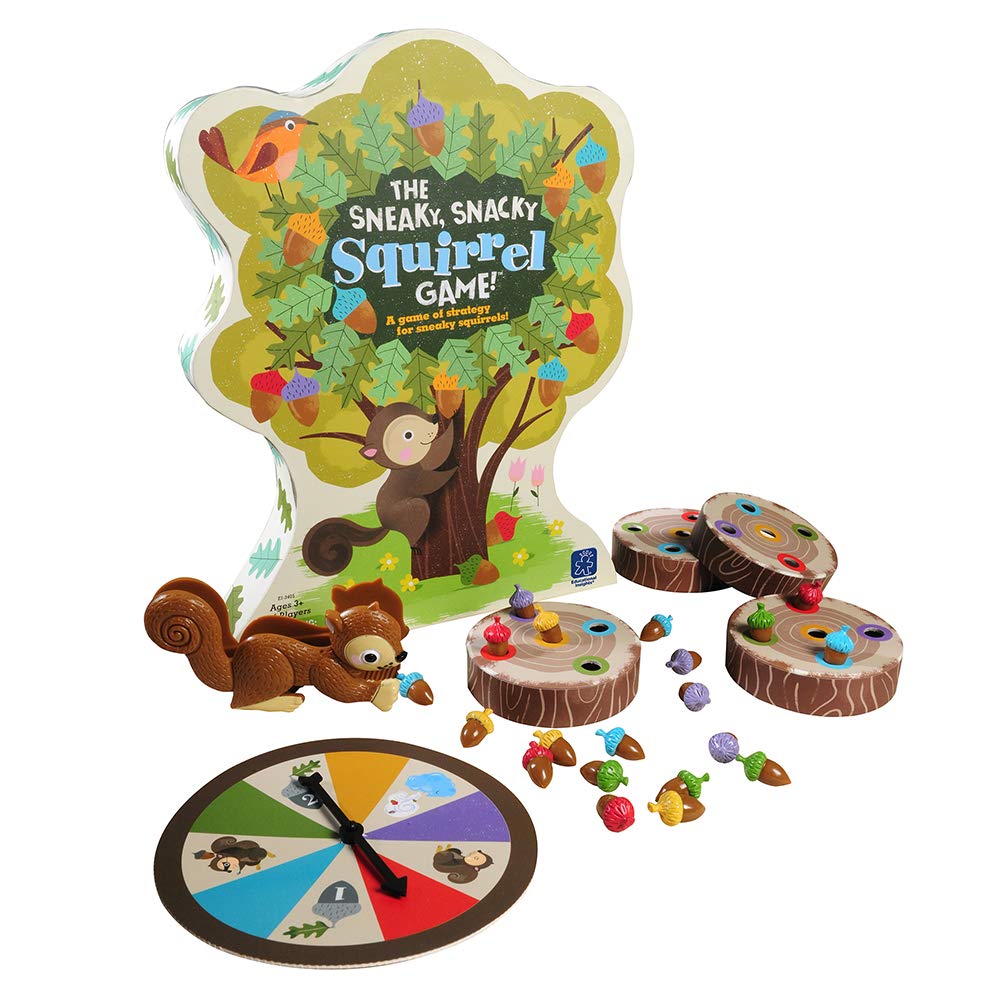
- The game practices color matching and encourages strategic thinking.
- Players use the squirrel squeezer to pick up matching acorns.
- The box-shaped board supports easier setup and cleanup.
Best Gift For: A homeschool parent looking for a playful color-matching game for preschoolers.
burgkidz STEM Pipe Tube Building Set, 188 Pcs
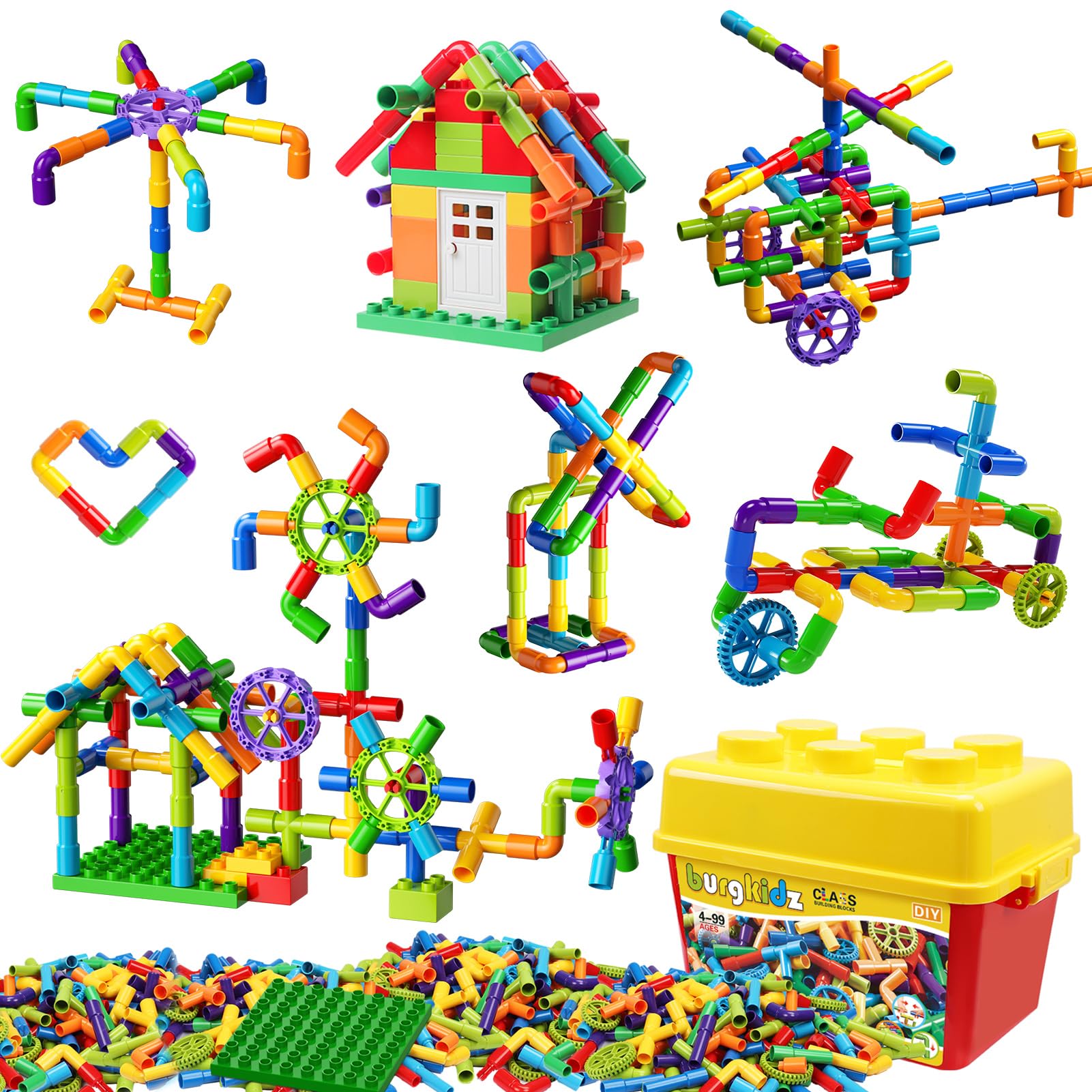
- The set contains 188 pieces for building projects.
- The building activity encourages spatial thinking and creativity.
- A storage box with a handle makes the pieces easier to carry.
Best Gift For: A homeschool parent seeking an open-ended building activity for a child.
Dan&Darci Light-Up Crystal Growing Kit

- The kit guides kids in growing red, blue, and clear crystals.
- An included booklet explains how crystals form.
- The kit includes an LED display for illuminating finished crystals.
Best Gift For: A homeschool parent who wants a guided crystal-growing activity to share with a child.
Educational Insights GeoSafari My First Microscope
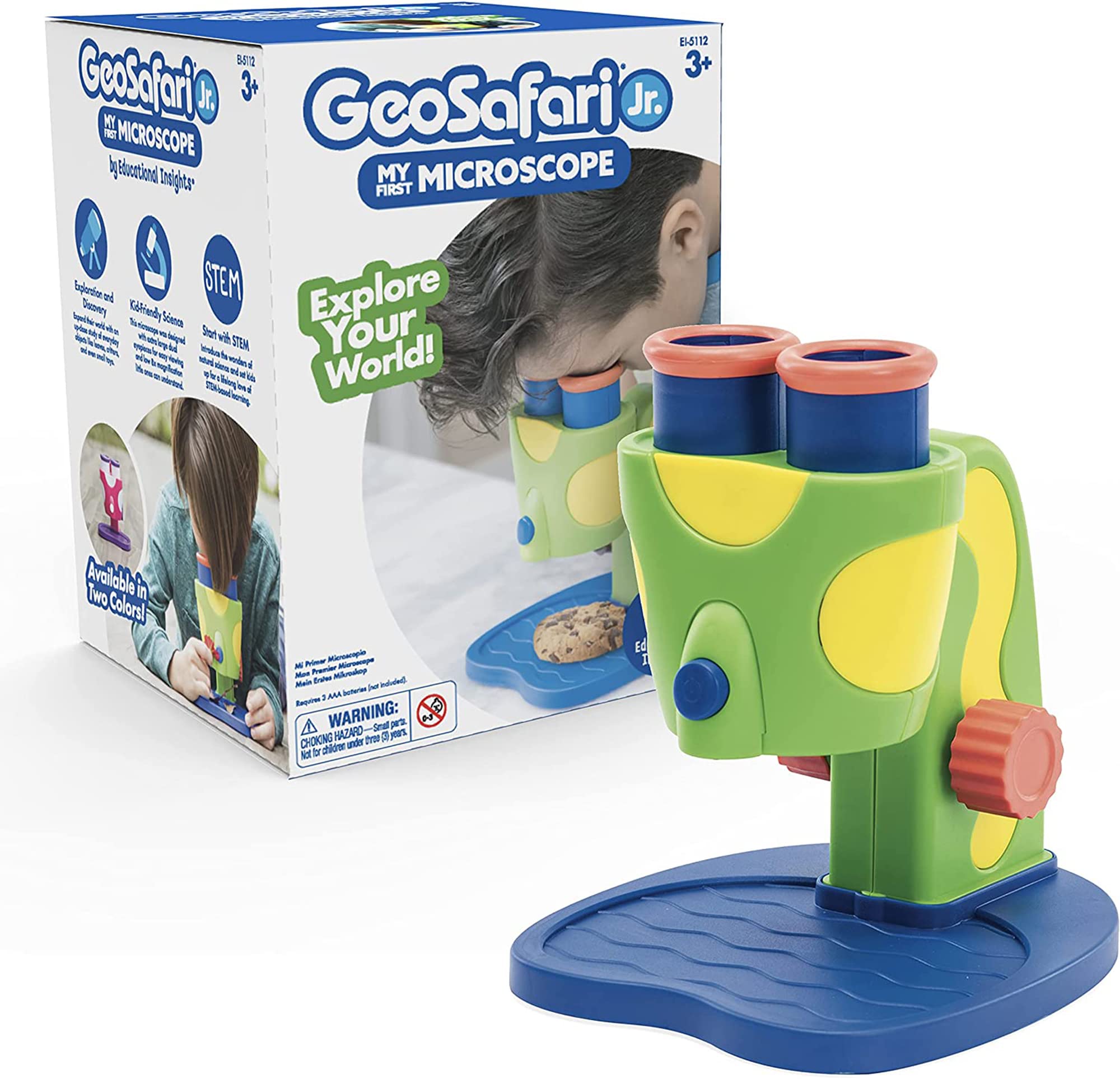
- The microscope includes prepared slides with storage.
- A large focusing knob and overhead LED light support hands-on viewing.
- The set requires three AAA batteries, which are not included.
Best Gift For: A homeschool parent introducing a young child to hands-on science exploration.
Learning Resources Minute Math Electronic Flash Card

- It supports practice with addition, subtraction, multiplication, and division.
- Timed challenges create a short game-like practice session.
- A silent mode suits quiet work settings.
Best Gift For: A homeschool parent who wants a compact tool for independent math fact practice.
Clever Fox Dotted Journal A5 Notebook
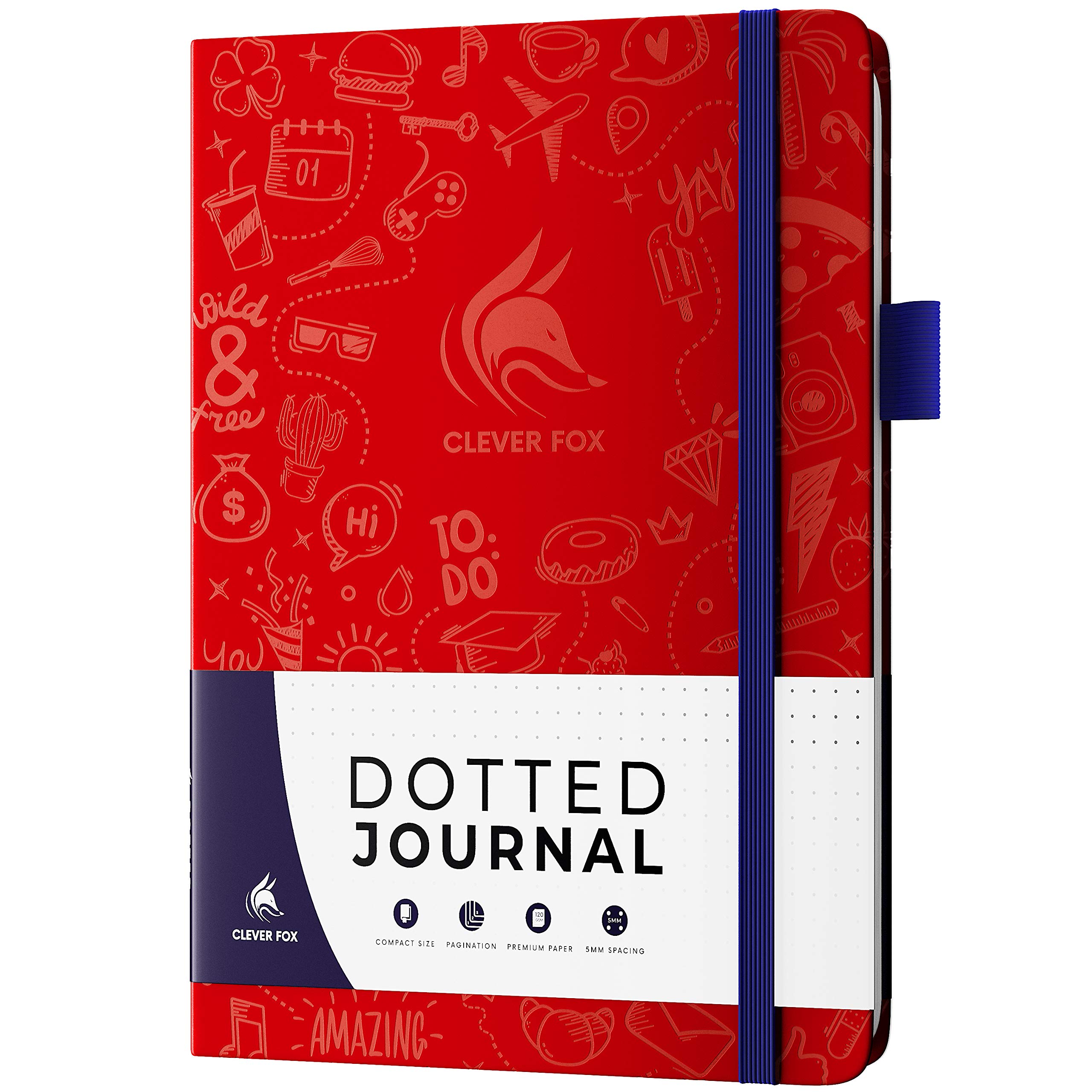
- The notebook has a lay-flat binding for comfortable writing.
- It includes a pen loop, ribbon bookmarks, and a pocket for notes.
- Its numbered pages, key, and index help organize entries.
Best Gift For: A homeschool parent who likes keeping project notes, plans, or sketches in a notebook.
Choosing birthday gifts for homeschool parents around their routine
Birthday gifts for homeschool parents make the most sense when they fit the household’s real rhythm. Consider whether the parent spends more time planning lessons, setting up activities, finding supplies, or keeping a shared room calm and organized.
A small, well-matched tool can be more useful than a grand gesture that adds another task.
Think about where learning happens. A dedicated schoolroom, a kitchen table, and a rotating mix of rooms call for different kinds of organization.
Ask a partner or family member what would remove a recurring annoyance, such as scattered pencils or hard-to-find materials, and use that answer to guide your choice.
For a child-focused present, consider whether the adult wants a ready-to-use activity they can share or something the learner can explore more independently. Age and interests matter; a science-minded child may welcome observation or growing projects, while a preschooler may enjoy a simple game with turns and matching.
Balance usefulness, budget, and household space
Set a comfortable budget before browsing, then decide whether the gift should be a practical staple, a shared activity, or a keepsake. Lower-cost desk accessories and learning games can feel thoughtful when they solve a specific need.
A more substantial purchase may suit a family that has already asked for help equipping a learning space.
Consider the ongoing commitment attached to the gift. Some activities invite an adult to join in; some organizing tools work best when the family sets aside time to label, sort, or arrange supplies.
A present that matches the recipient’s available time is more likely to become part of everyday life.
For larger items, think carefully about room layout and storage. Check current dimensions and compatibility with the intended space before ordering, especially if a desk or shelf has a fixed location.
If the recipient values flexibility, a portable or compact choice may be easier to welcome than furniture that needs a permanent spot.
Personalize birthday gifts for homeschool parents with care
Birthday gifts for homeschool parents can feel personal without needing elaborate customization. Pair a planning tool with a handwritten note that recognizes the work the parent puts into their child’s learning, or add a bookmark and a favorite tea to create a gentle invitation to take a break.
Keep add-ons modest and suited to their tastes.
For a child activity, make the presentation part of the birthday moment. Wrap it with a small card suggesting a relaxed afternoon together, without implying the parent must turn it into a lesson.
If the family already has a busy schedule, frame it as an option for a rainy day or a quiet weekend rather than another planned obligation.
A useful gift can also recognize the parent as a person beyond their teaching role. Choose a reading, writing, or desk item if it matches their interests, and include a personal message about why you thought of them.
Warm, specific words often make a practical present feel more celebratory.
Make the gift easy to open and use
Presentation should suit the item and the recipient’s style. A simple gift bag can work for a small desk accessory, while a larger object may be easier to give with a card and a clear note about what it is.
Save packaging and included instructions so the recipient can decide how and when to set things up.
If the present involves an activity, offer to join in only if that would genuinely help. You might leave space for the parent and child to try it together, or simply make clear there is no expectation to use it right away.
That small courtesy keeps a cheerful gift from feeling like homework.
Check whether the household prefers fewer possessions, reusable supplies, or gifts that support a shared family routine. When uncertain, ask someone close to the recipient for a discreet clue.
A well-presented choice respects the family’s space and still makes the birthday feel special.
Last-minute birthday gifts for homeschool parents
For a late decision, choose something that is easy to explain and fits a known need. Birthday gifts for homeschool parents can still feel considered when you include a handwritten note about the routine or interest that inspired the pick.
Confirm current product details and compatibility before buying, especially for devices and classroom materials.
Check the retailer’s current delivery estimate before placing an order, and avoid promising a specific arrival date. If timing is uncertain, give a printed card or a small placeholder that explains the thoughtful plan.
For a same-day celebration, a modest accompanying treat or personal note can make the gesture feel complete.
Keep the final choice simple: verify that the recipient can use it, that the household has room for it, and that any needed components or supplies suit their plans. A thoughtful gift is not defined by urgency or expense; attention to the parent’s daily life is what helps it land well.